
The 5 Stages of Chronic Kidney Disease, Explained Simply
2026-09-25 · 8 min read
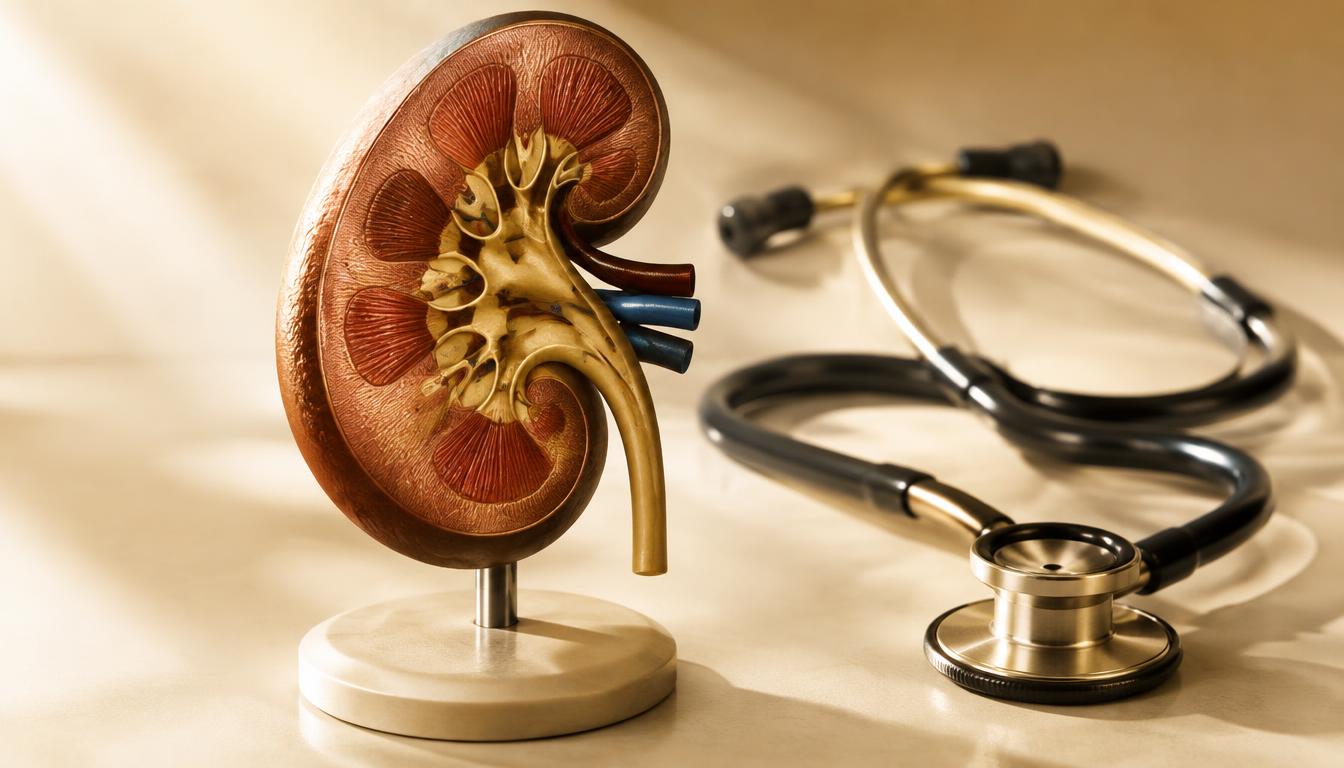
Your doctor said 'stage 3'. What does that actually mean? A calm, clear walk through how kidney disease is staged — and why the number matters.
Medically reviewed by the Bangkok Stem Cell Center medical team
Being told you have chronic kidney disease, or CKD, often comes with a number attached: stage 2, stage 3a, stage 4. For many people that number is the first thing they search for afterwards. This guide explains what the stages mean, how doctors decide which one applies, and what each stage usually involves — in plain language.
What your kidneys actually do
Your two kidneys filter your blood around the clock. They remove waste and extra fluid, balance minerals such as sodium and potassium, help control blood pressure, and make hormones that support red blood cell production and bone health. Chronic kidney disease means this filtering has been reduced for at least three months.
How staging works: eGFR
Stages are mainly based on the estimated glomerular filtration rate, or eGFR. It is calculated from a simple blood test for creatinine, a waste product, together with factors such as age. It estimates how many millilitres of blood your kidneys filter each minute, adjusted for body size. A higher number means better filtering.
Doctors also look at albumin, a protein, in the urine. Healthy kidneys keep albumin in the blood. When it leaks into urine, that is a sign of kidney damage even if eGFR still looks normal. Modern staging combines both measures.
The five stages
- Stage 1 — eGFR 90 or above, with signs of kidney damage such as protein in the urine. Filtering is normal, but something is affecting the kidneys.
- Stage 2 — eGFR 60–89, with signs of damage. A mild reduction. Most people have no symptoms.
- Stage 3a — eGFR 45–59. A mild-to-moderate reduction. Some people start to notice tiredness or swelling.
- Stage 3b — eGFR 30–44. A moderate-to-severe reduction. Problems such as anaemia or bone-mineral changes become more likely.
- Stage 4 — eGFR 15–29. A severe reduction. Planning for possible dialysis or transplant usually begins.
- Stage 5 — eGFR below 15, also called kidney failure. The kidneys can no longer keep up on their own, and dialysis or a transplant is typically needed.
Why many people feel fine for years
Kidneys have a large reserve. You can lose a significant part of kidney function before noticing anything. That is why CKD is often picked up on routine blood or urine tests, especially in people with diabetes or high blood pressure — the two most common causes worldwide.
Symptoms that may appear in later stages
- Tiredness and difficulty concentrating
- Swelling in the ankles, feet or around the eyes
- Changes in how often you urinate, or foamy urine
- Itchy skin, muscle cramps, or poor appetite
- Shortness of breath from fluid build-up
Can you move back a stage?
Sometimes eGFR improves a little — for example after dehydration is corrected, a medication is changed, or blood pressure is controlled. But established scarring in the kidney generally does not reverse. The realistic goal for most people is to slow progression, and that is often very achievable.
What slows kidney disease down
- Keeping blood pressure within the target your doctor sets
- Good blood sugar control if you have diabetes
- Medications your nephrologist may recommend to protect the kidneys
- Avoiding regular use of anti-inflammatory painkillers unless advised
- Not smoking, staying active, and following a kidney-appropriate diet
The honest bottom line
A CKD stage is a snapshot of how well your kidneys are filtering right now. It is not a countdown. Many people in stage 2 or 3 never reach kidney failure, especially when the cause is well managed. Knowing your eGFR, your urine albumin, and the trend over time gives you and your doctor the clearest picture.
Reviewed by Bangkok Stem Cell Center Medical Team | Last updated: October 2026
Travelling to Bangkok During Cancer Treatment: A Medical Planning Checklist
Travel during cancer treatment requires more than a flight and hotel. This checklist helps patients coordinate records, medicines, safety and follow-up before leaving home.
Considering Cancer Immunotherapy in Bangkok? Questions to Ask Before You Travel
The word immunotherapy covers very different treatments. Before travelling, establish exactly what is proposed, why it fits the diagnosis, and who will manage complications.