
Stem Cell Therapy for Kidney Disease: Where the Research Stands
2026-09-23 · 8 min read
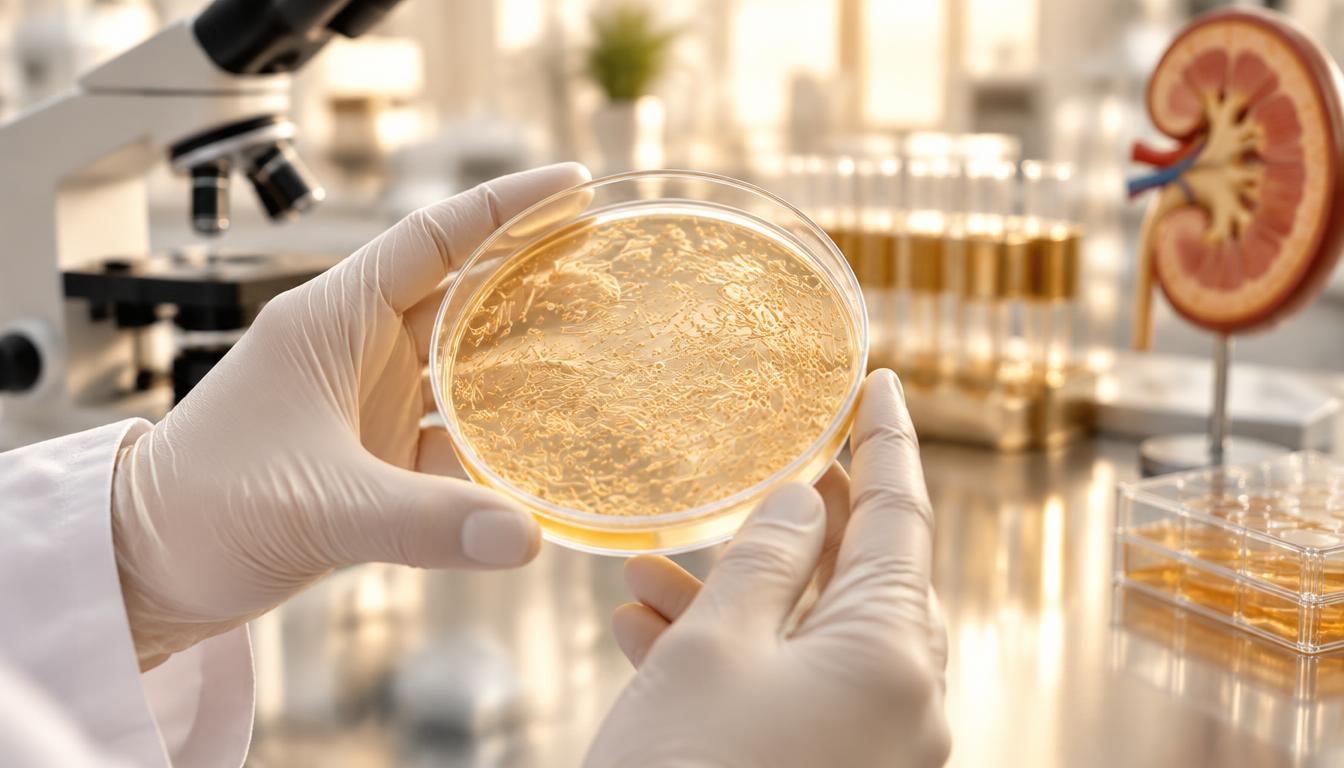
Can stem cells repair damaged kidneys? Researchers are asking the question seriously. Here is what they are studying — and what has not been shown yet.
Medically reviewed by the Bangkok Stem Cell Center medical team
Chronic kidney disease affects a large share of adults worldwide, and current treatments mostly slow its progression rather than reverse it. So it is no surprise that people search for regenerative options. Stem cell research in kidney disease is active and genuinely interesting — but it is still early. This article separates the science from the hype.
Why kidneys are hard to repair
The kidney's filtering units, called nephrons, are complex structures. Adults cannot grow new nephrons. When they are lost to diabetes, high blood pressure or inflammation, the remaining ones work harder, which can gradually cause more damage. Scarring, known as fibrosis, is the common end point.
What researchers hope stem cells can do
Most kidney research uses mesenchymal stromal cells, or MSCs. The goal is not for these cells to become new kidney tissue. Instead, researchers are studying whether their signalling molecules can:
- Reduce inflammation inside the kidney
- Slow or limit scarring (fibrosis)
- Support the survival of existing kidney cells
- Modulate immune activity in autoimmune kidney conditions such as lupus nephritis
What the studies look like so far
Laboratory and animal studies have shown encouraging effects on inflammation and scarring. Human studies are mostly small, early-phase trials focused on safety, with some looking at markers such as eGFR over time. Research has also looked at MSCs in kidney transplantation to help manage immune responses.
Taken together, early safety findings have generally been reassuring, but there is not yet strong, large-scale evidence that stem cell therapy restores kidney function or prevents the need for dialysis. That is the honest state of the field.
Why results vary between studies
- Different causes of kidney disease respond differently
- Cell source, dose and delivery route vary widely
- Many trials are small and short, making lasting effects hard to measure
- eGFR naturally fluctuates, so improvement needs careful comparison against a control group
Questions worth asking any provider
- What type of cells are used, and how are they produced and tested?
- What results are realistic for my specific cause and stage?
- How will my kidney function be measured before and after?
- How will this work alongside my nephrologist's treatment?
- What are the known risks for someone with my kidney function?
What should never change
Any regenerative approach should sit alongside proven care, not replace it. Blood pressure control, blood sugar management, kidney-protective medications and diet remain the foundation. Stopping any of these in favour of an experimental therapy can cause real harm.
The honest bottom line
Stem cell therapy for kidney disease is a promising area of research with a reasonable safety profile in early studies. It is not an established cure, and it cannot rebuild lost kidney tissue. For anyone curious, the best approach is informed, cautious, and coordinated with your existing kidney specialist.
Reviewed by Bangkok Stem Cell Center Medical Team | Last updated: October 2026
Travelling to Bangkok During Cancer Treatment: A Medical Planning Checklist
Travel during cancer treatment requires more than a flight and hotel. This checklist helps patients coordinate records, medicines, safety and follow-up before leaving home.
Considering Cancer Immunotherapy in Bangkok? Questions to Ask Before You Travel
The word immunotherapy covers very different treatments. Before travelling, establish exactly what is proposed, why it fits the diagnosis, and who will manage complications.