
Eating for Your Kidneys: A Plain-Language Kidney Disease Diet Guide
2026-09-24 · 8 min read
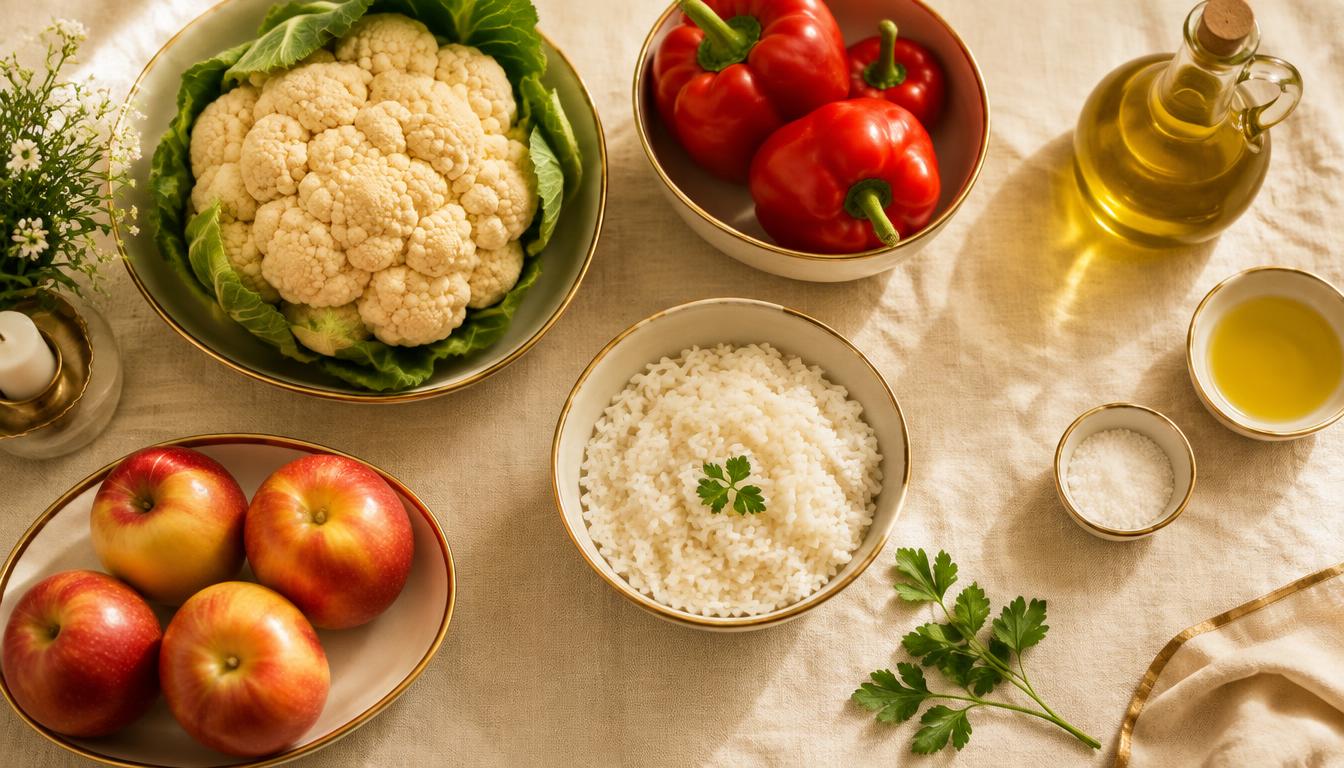
Sodium, potassium, phosphorus, protein — the kidney diet can feel like a list of forbidden foods. Here is what each one does, and why the right diet depends on you.
Medically reviewed by the Bangkok Stem Cell Center medical team
Food advice for kidney disease can be confusing because it changes with the stage of disease, your blood results, and whether you are on dialysis. There is no single kidney diet that fits everyone. What follows are the core principles, explained so you can have a better conversation with your doctor or renal dietitian.
Why diet matters when kidneys slow down
Healthy kidneys remove excess salt, minerals and waste from the blood. When they filter less, those substances can build up. Adjusting what you eat reduces the workload on the kidneys and helps keep blood levels in a safe range.
Sodium: usually the first thing to reduce
Salt raises blood pressure and makes the body hold on to fluid, both of which strain the kidneys. Most dietary sodium comes from processed and restaurant food rather than the salt shaker.
- Cook at home more often, flavouring with herbs, garlic, lemon and spices
- Check labels on bread, sauces, soups and snacks
- Limit processed meats, instant noodles and salty condiments
- Be cautious with 'low-salt' products that use potassium chloride — ask your doctor first
Potassium: depends on your blood results
Potassium supports heart and muscle function, but high levels can be dangerous for the heart. Not everyone with CKD needs to limit it — many people in early stages do not. Your blood test decides this, not a general list.
- Often higher in potassium: bananas, oranges, potatoes, tomatoes, avocado, dried fruit
- Often lower in potassium: apples, berries, grapes, cabbage, cauliflower, peppers, white rice
- Soaking and boiling some vegetables can reduce their potassium content
Phosphorus: important in later stages
When kidneys cannot clear phosphorus, levels rise and can weaken bones and harden blood vessels over time. Phosphate additives in processed food are absorbed especially easily.
- Look for ingredients containing 'phos' on labels
- Limit colas, processed cheese and many packaged foods
- Some people are prescribed phosphate binders to take with meals
Protein: the balance changes over time
Before dialysis, many people are advised to eat a moderate amount of protein to reduce kidney workload. Once on dialysis, protein needs usually go up, because dialysis removes some protein. This is one of the clearest examples of why the right diet depends on your stage.
Fluids
In early CKD, most people do not need to restrict fluids. In later stages or on dialysis, fluid limits may be needed to prevent swelling and breathlessness. Follow the amount your care team sets.
A simple plate to start from
- Half the plate: lower-potassium vegetables such as cabbage, cauliflower, green beans or peppers
- A quarter: a portion of protein appropriate to your stage
- A quarter: grains such as white rice, pasta or bread
- Healthy fats such as olive oil for energy and flavour
The honest bottom line
The most useful kidney diet is a personalised one. Salt reduction helps almost everyone. Potassium, phosphorus, protein and fluid advice should follow your blood tests and stage. If you can, work with a renal dietitian — they turn lab numbers into meals you will actually enjoy.
Reviewed by Bangkok Stem Cell Center Medical Team | Last updated: October 2026
Travelling to Bangkok During Cancer Treatment: A Medical Planning Checklist
Travel during cancer treatment requires more than a flight and hotel. This checklist helps patients coordinate records, medicines, safety and follow-up before leaving home.
Considering Cancer Immunotherapy in Bangkok? Questions to Ask Before You Travel
The word immunotherapy covers very different treatments. Before travelling, establish exactly what is proposed, why it fits the diagnosis, and who will manage complications.