
Can Stem Cells Help Sports Injuries? What Athletes Should Know
2026-09-14 · 8 min read
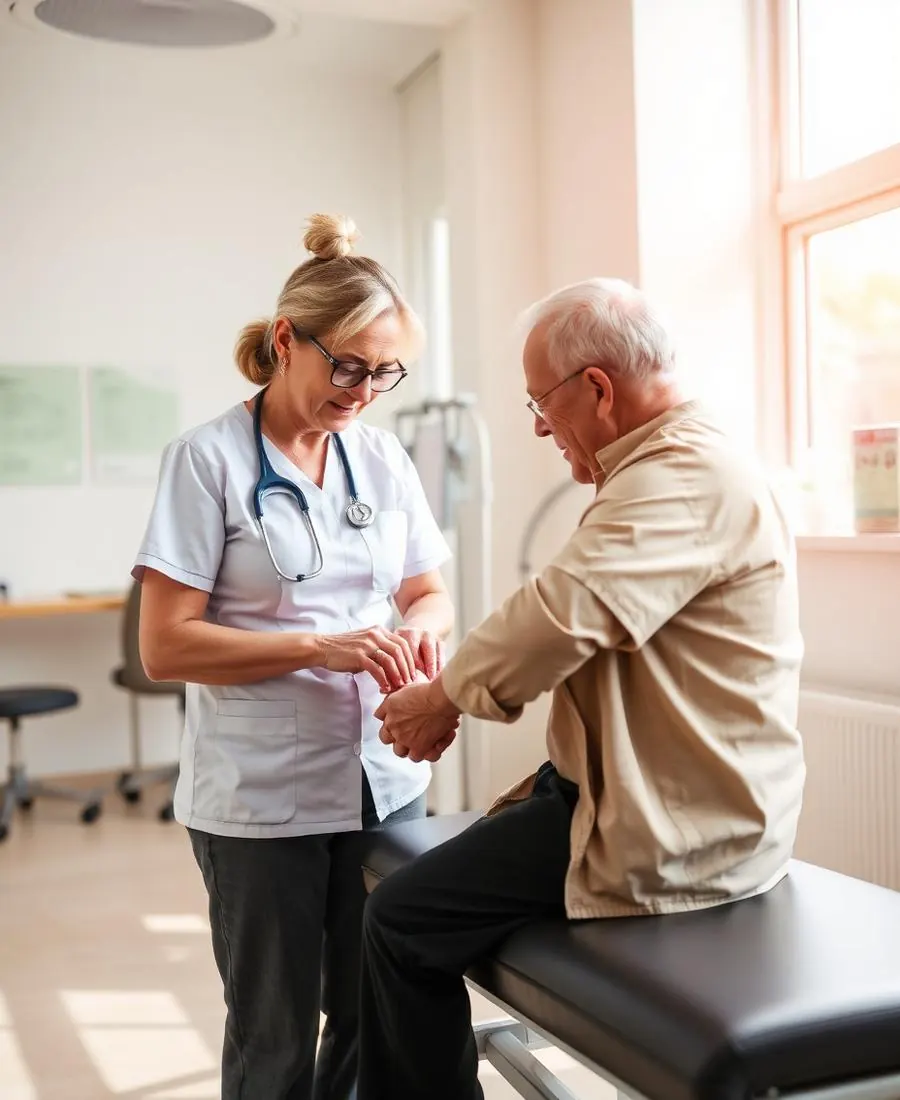
Athletes push tissue to its limits. Here is what stem cell therapy can and cannot do for tendon, ligament, muscle and joint injuries.
Medically reviewed by the Bangkok Stem Cell Center medical team
Every athlete eventually meets the same problem: a tendon that will not settle, a ligament that heals poorly, a muscle strain that keeps returning, or a joint that never quite feels right again. Sports medicine has improved enormously, but some injuries sit in a frustrating middle ground — too serious to ignore, not serious enough to operate on, and only partly helped by physiotherapy and anti-inflammatories. That is where regenerative medicine, including stem cell therapy, enters the conversation.
Why sports injuries are different
Athletic tissue damage is not the same as age-related wear. The tissues are often healthy to begin with, but they are subjected to loads they did not evolve to handle repeatedly. Tendons and ligaments have poor blood supply, which is why they heal slowly. Muscle heals faster but can form scar tissue that is weaker and more prone to re-injury. Cartilage, once damaged, has almost no capacity to repair itself.
The goal of regenerative treatment is not to turn an elite athlete into a teenager again. It is to improve the biological environment so the tissue can complete its healing cycle, reduce the chronic inflammation that stalls recovery, and sometimes delay or avoid surgery.
What 'stem cells' means here
In sports medicine, the cells most commonly discussed are mesenchymal stem cells, or MSCs. These are adult repair cells found in bone marrow, fat tissue and umbilical cord tissue. They do not become a new tendon or ligament on demand. What they appear to do is release signalling molecules that calm inflammation, encourage new blood vessel formation, and activate the local cells responsible for rebuilding tissue.
They are often compared to conductors rather than musicians. They do not replace every instrument in the orchestra; they help the existing players play together more effectively.
Tendon and ligament injuries
Chronic tendon problems — tennis elbow, Achilles tendinopathy, patellar tendon irritation — are among the most studied applications. These conditions are often not inflammatory in the classic sense; they are failed repair responses. Platelet-rich plasma and cellular therapy are used to restart the healing process.
Ligament injuries are more mechanically demanding. A partially torn ligament in a knee or ankle may respond to biological support combined with bracing and rehabilitation. A completely ruptured ligament, especially in an athlete who needs rotational stability, usually still requires surgical reconstruction. No injection restores mechanical integrity to a fully torn ligament.
Muscle and cartilage
Muscle strains generally heal well on their own, but severe tears can leave scar tissue that is prone to re-injury. Cellular therapy is sometimes used in high-level athletes with significant muscle injuries to improve tissue quality, though the evidence is more limited than for tendons.
Cartilage is the hardest tissue to help. Focal cartilage defects in the knee, especially in younger patients, have shown some response to cell-based treatments in studies. Generalised osteoarthritis in an athlete's joint is a different problem, and biological injections are less likely to produce dramatic structural change once the cartilage surface is broadly worn.
What the research actually shows
The evidence for MSC and PRP therapy in sports injuries is promising but uneven. Randomised trials in chronic tendinopathy and early knee osteoarthritis have reported pain reduction and functional improvement. Some studies using imaging suggest improved tissue organisation. Other studies have been small, short-term, or hampered by inconsistent preparation methods.
A major challenge is that cell products vary enormously. Dose, cell source, viability, processing method, and delivery technique all influence outcomes. That variability makes it hard to compare studies and explains why some patients do dramatically better than others.
The realistic recovery timeline
Regenerative therapy is not a same-week return to play. After an injection, there is usually a brief period of increased soreness as the local inflammatory response is triggered. Improvement tends to appear between four and twelve weeks, with continued gains for several months in some cases.
Rehabilitation remains essential. Cells provide a biological signal, but tissue still needs to be loaded progressively to become strong and organised. The athletes who respond best are usually the ones who follow their physiotherapy plan precisely, not the ones who try to speed everything up.
When to consider it
- Chronic tendon or ligament irritation that has not responded to rest and physiotherapy
- Partial ligament or tendon tears where surgery is not clearly required
- Focal cartilage defects in younger athletes
- Muscle injuries with poor healing or recurrent scar breakdown
- Athletes looking to delay surgery while preserving the option for later
When surgery is still the better option
No biological injection can reattach a fully torn ACL, repair a retracted rotator cuff tendon, or stabilise an ankle that is mechanically unstable. In these cases, delaying surgery to try injections can sometimes make the eventual reconstruction harder. An honest sports physician should be able to tell you which side of the line your injury sits on.
Similarly, if the diagnosis is uncertain, the first step is proper imaging and examination, not an injection. Treating the wrong structure, even with the best cells, will not help.
How to judge a clinic offering this
- Does a sports physician or orthopaedic specialist examine you and review imaging first?
- Can the clinic explain cell source, count, viability and processing standards?
- Is rehabilitation integrated into the plan, or is the injection sold as a standalone fix?
- Has anyone explained when this would not be suitable for your injury?
- Are follow-up and return-to-sport guidance included?
The honest bottom line
Stem cell therapy can be a useful tool for certain sports injuries, particularly chronic tendinopathy, partial ligament tears, and focal cartilage problems in motivated athletes. It is not a replacement for surgery when mechanical structure is compromised, and it is not a shortcut around rehabilitation.
If you are an athlete considering regenerative treatment, start with a precise diagnosis and an honest conversation about whether your injury is the type that biology can help. Any clinic that promises to get you back on the field in a few weeks, or that quotes a price before examining you, is selling sport, not medicine.
This article is general educational information and is not a substitute for personalised medical advice. For an assessment of your injury, consult a qualified sports physician with your imaging and activity history.
Reviewed by Bangkok Stem Cell Center Medical Team | Last updated: October 2026
Travelling to Bangkok During Cancer Treatment: A Medical Planning Checklist
Travel during cancer treatment requires more than a flight and hotel. This checklist helps patients coordinate records, medicines, safety and follow-up before leaving home.
Considering Cancer Immunotherapy in Bangkok? Questions to Ask Before You Travel
The word immunotherapy covers very different treatments. Before travelling, establish exactly what is proposed, why it fits the diagnosis, and who will manage complications.