
Regenerative Therapy
PRP Therapy
Concentrated platelets from your own blood, placed where repair is needed.
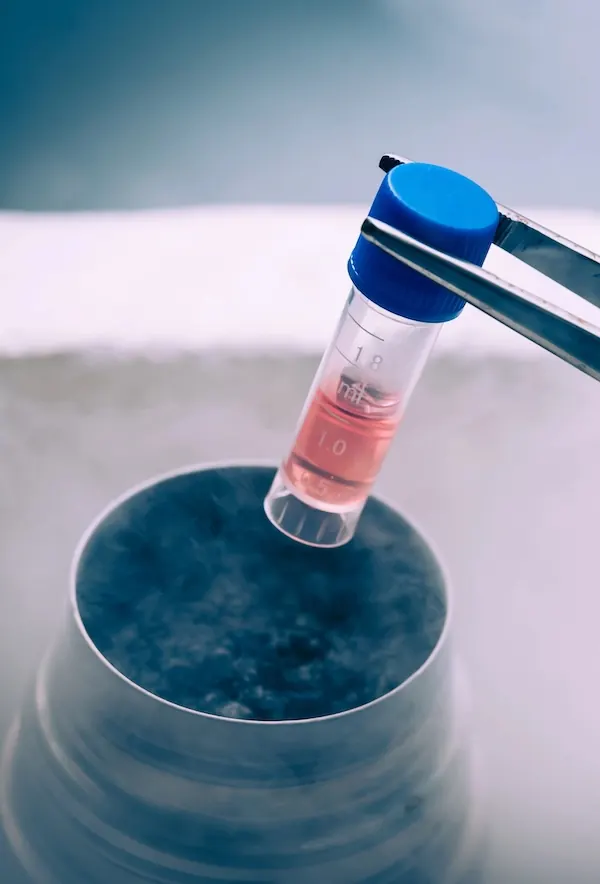
What is PRP Therapy?
Platelet-rich plasma for orthopaedic, aesthetic and recovery applications.
PRP begins with a simple blood draw. The sample is spun in a closed system to concentrate platelets and the growth factors they carry, then injected precisely into the joint, tendon or tissue that needs support. Because the material comes entirely from you, tolerance is excellent and the appointment is usually completed within an hour.
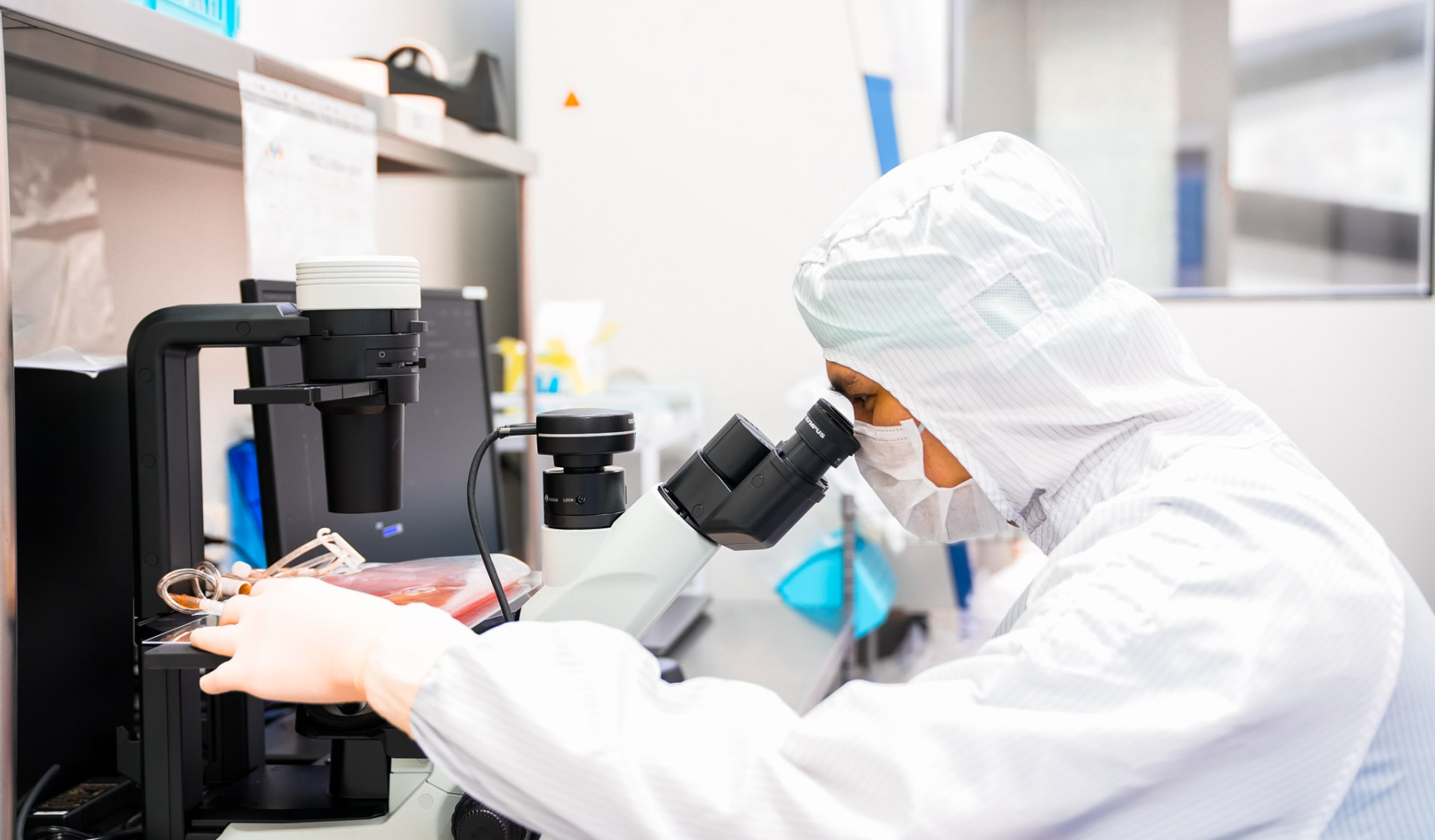
Key benefits
- 01Autologous — prepared entirely from your own blood
- 02Precise placement into the joint or tissue of concern
- 03Widely used for knees, shoulders, tendons and scalp
- 04Same-day outpatient procedure with rapid return to routine
- 05Often used as a first step before broader cellular programs
How it works
The sequence, from first records to follow-up
- 01
Locating the problem
Ultrasound or examination identifies exactly which structure is generating pain. Injecting near a problem rather than into it is the most common reason PRP disappoints.
- 02
Blood draw
Around 20 to 60ml depending on how many sites we are treating. Taken at the start of your appointment, used within the hour.
- 03
Spin and separation
A closed centrifuge system concentrates the platelet fraction. Nothing is added, and nothing leaves the room.
- 04
Guided injection
Placement is ultrasound-guided for joints and tendons. Local anaesthetic is used at the skin, though not inside the target tissue itself.
- 05
Loading plan
You leave with instructions on what to do and not do for the next two weeks. PRP responds to controlled loading; complete rest wastes it.
What to expect
Before
Stop ibuprofen, naproxen and similar anti-inflammatories seven days ahead — they blunt exactly the platelet response we are relying on. Arrive well hydrated; it makes the draw easier.
During
The blood draw is routine. The injection itself is briefly uncomfortable, more pressure than sharpness, and takes under a minute per site.
After
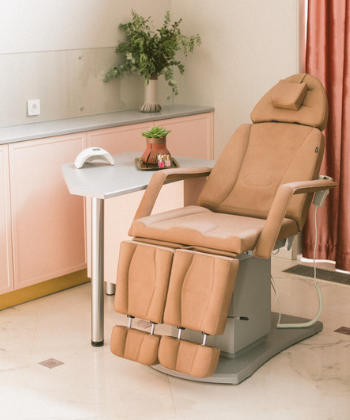
Expect the treated area to ache more than usual for two to five days. That is the inflammatory response doing its work, and it should not be suppressed with anti-inflammatories.
Concentrated platelets from your own blood, placed where repair is needed.
PRP Therapy — Questions Patients Ask
Why does it hurt more before it hurts less?
PRP works by triggering a controlled inflammatory repair response. That flare is the mechanism, not a side effect, and it usually settles within a week.
How many injections will I need?
Most joint and tendon protocols run to three sessions, spaced three to four weeks apart. Scalp protocols usually run longer, monthly for three to four months.
Can I take painkillers afterwards?
Paracetamol, yes. Ibuprofen and similar anti-inflammatories, no — for around two weeks, because they work directly against the response we have just created.
Is PRP better than a cortisone injection?
They do different things. Cortisone reduces pain quickly and can weaken tissue over repeated use; PRP is slower and aims at repair. For an urgent event next week, cortisone may be the honest answer.
When can I go back to sport?
Light movement within days, loaded training usually at two to three weeks, and full return staged over six. Your written plan gives specific dates rather than general advice.
Reviewed by Bangkok Stem Cell Center Medical Team | Last updated: October 2026
Related protocols
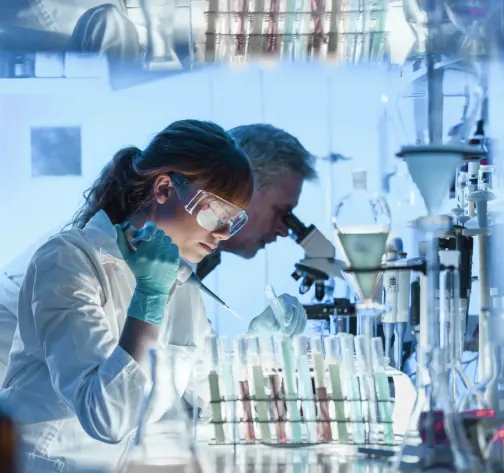 MSC TherapyMedical team-guided stem cell therapy using mesenchymal cells for joint, immune and whole-body recovery.
 Exosome TherapySignalling-rich exosome protocols, often combined with stem cell therapy, supporting tissue repair, recovery and aesthetics.
 NK & NKT Cell ImmunotherapyNatural killer and NKT cell programs to support immune surveillance, frequently used alongside stem cell protocols.
Next step
Send us your records. We will tell you what is realistic.
A medical team member reads your history before anything is quoted or scheduled. If cellular therapy is unlikely to move your numbers, we say so and point you somewhere more useful.

Mon – Sat
Clinic hours by appointment.