
Memory Slipping Away? Stem Cell Options for Alzheimer's and Dementia
2026-10-26 · 7 min read
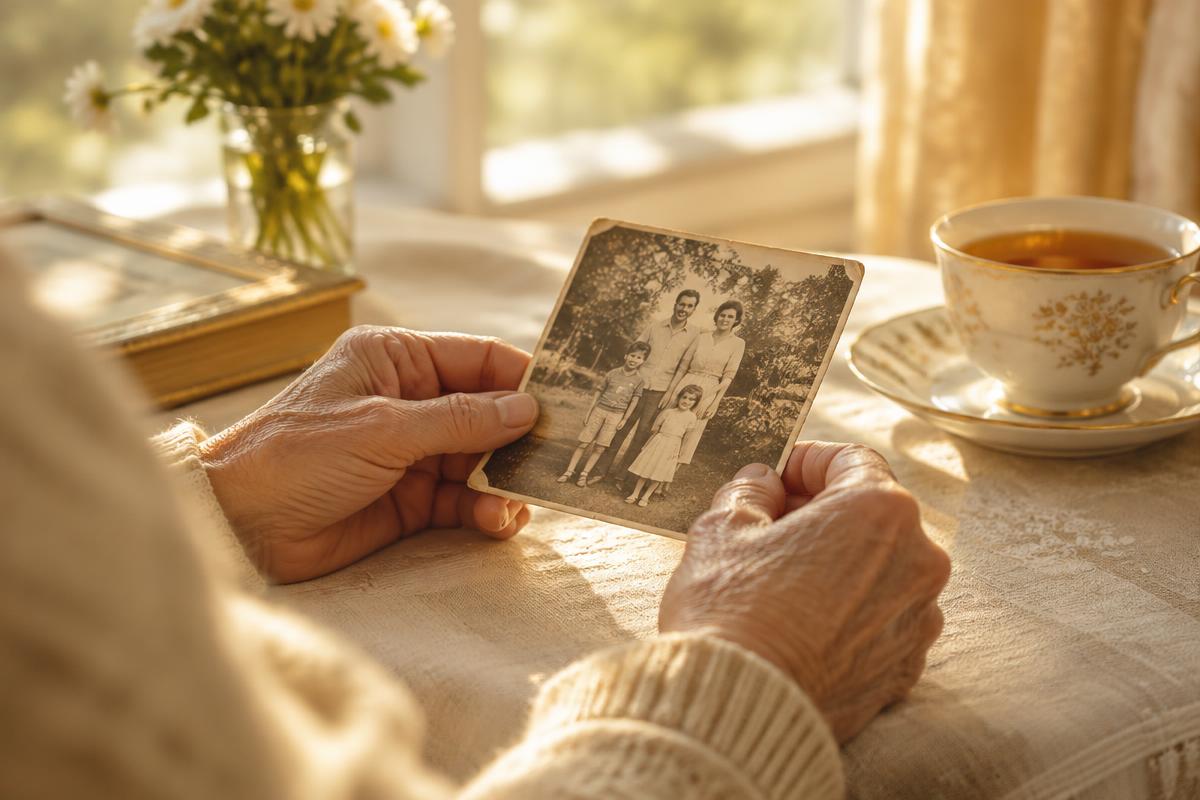
When a parent starts repeating the same story, families look everywhere for options. Here is where stem cell therapy for Alzheimer's and dementia stands today.
Medically reviewed by the Bangkok Stem Cell Center medical team
Imagine noticing that your mother has asked the same question three times in an hour, or that your father got lost driving a route he has known for years. Families in this situation often search late at night for anything that might help, and stem cell therapy for Alzheimer's comes up quickly. This guide explains what that option involves, what is honestly known, and how to judge any clinic's claims.
Alzheimer's and dementia: what is happening in the brain
Dementia is an umbrella word for a decline in memory and thinking that affects daily life. Alzheimer's disease is the most common cause, linked to build-up of abnormal proteins, inflammation and gradual loss of nerve cells. Other types, such as vascular dementia, are tied to reduced blood flow. You can read more on our dementia condition page.
How stem cell therapy for Alzheimer's is meant to work
Most current approaches use mesenchymal stromal cells (MSCs). These cells are not expected to replace lost brain cells. Instead, the idea is that they release signals that may calm inflammation and support the brain's own repair processes. Our guide to what MSC therapy is explains the basics.
What evidence shows for stem cell therapy for dementia
Studies of stem cell therapy for dementia and Alzheimer's are still early. Small trials have mainly looked at safety, and some report the treatment was well tolerated. Clear, lasting improvement in memory has not been proven in large controlled trials. That means stem cell therapy for Alzheimer's should be seen as an emerging option, discussed carefully, not a cure.
Questions families should ask about stem cell therapy for Alzheimer's
- What stage of dementia is this option being considered for, and why?
- How will changes in memory and daily function be measured before and after?
- Will this be coordinated with the neurologist and current medicines?
- What side effects are possible, and who manages them after we return home?
- Can you show me in writing what is known and what is still uncertain?
Everyday care still matters most
Approved medicines, good sleep, physical activity, hearing and blood pressure care, and social connection all support brain health. Any regenerative option should sit alongside this care, never replace it. Read our safety guide before making any decision.
The honest bottom line
Stem cell therapy for Alzheimer's and dementia is a real area of medical interest, but results are early. A good clinic reviews records first, explains limits clearly and never promises to restore memory. If you'd like our team to look at your family member's situation, you can send us a message.
Frequently asked questions
Short, plain answers to the questions patients ask most — so you can read with clear expectations, not promises.
Can stem cell therapy cure Alzheimer's?
No. There is no cure for Alzheimer's, and stem cell approaches are still being studied. Be cautious of any clinic that promises to reverse memory loss.
Who might be considered for stem cell therapy for dementia?
Clinics usually look at diagnosis, stage, general health and current medicines. Many feel earlier stages are more reasonable to discuss, but evidence is limited.
Is it safe?
Small studies have mostly reported mild side effects such as short fever or tiredness, but long-term data is limited. A doctor should review your full history first.
Will my parent need to stop current medicines?
Usually not. Any plan should be coordinated with the treating neurologist, who knows which medicines matter most.
How would we know if it helped?
Ask for memory and daily-function assessments before and after, so changes are measured rather than guessed.
Can a family member come to consultations?
Yes, and it is encouraged. Family observations are very helpful when assessing memory and daily life.
References
Published studies and medical guidelines this article draws on.
- MedlinePlus (U.S. National Library of Medicine). Alzheimer's disease. medlineplus.gov, 2025
- MedlinePlus (U.S. National Library of Medicine). Dementia. medlineplus.gov, 2025
- International Society for Stem Cell Research. Guidelines for stem cell research and clinical translation. isscr.org, 2021
- U.S. Food and Drug Administration. Consumer alert on regenerative medicine products including stem cells and exosomes. fda.gov, 2025
Reviewed by Bangkok Stem Cell Center Medical Team | Last updated: October 2026
What Are NKT Cells, and Why Are Cancer Doctors Watching Them?
You have heard of NK cells and T cells. NKT cells sit between them, and researchers are curious about what they might add to cancer care.
NK or NKT Cell Therapy in Bangkok: Which Fits Your Cancer Care?
Two clinics, two similar names, one decision. Here is a side-by-side look at NK and NKT cell therapy for patients considering Bangkok.