
What Is MSC Therapy? A Complete Patient Guide
2026-08-04 · 7 min read
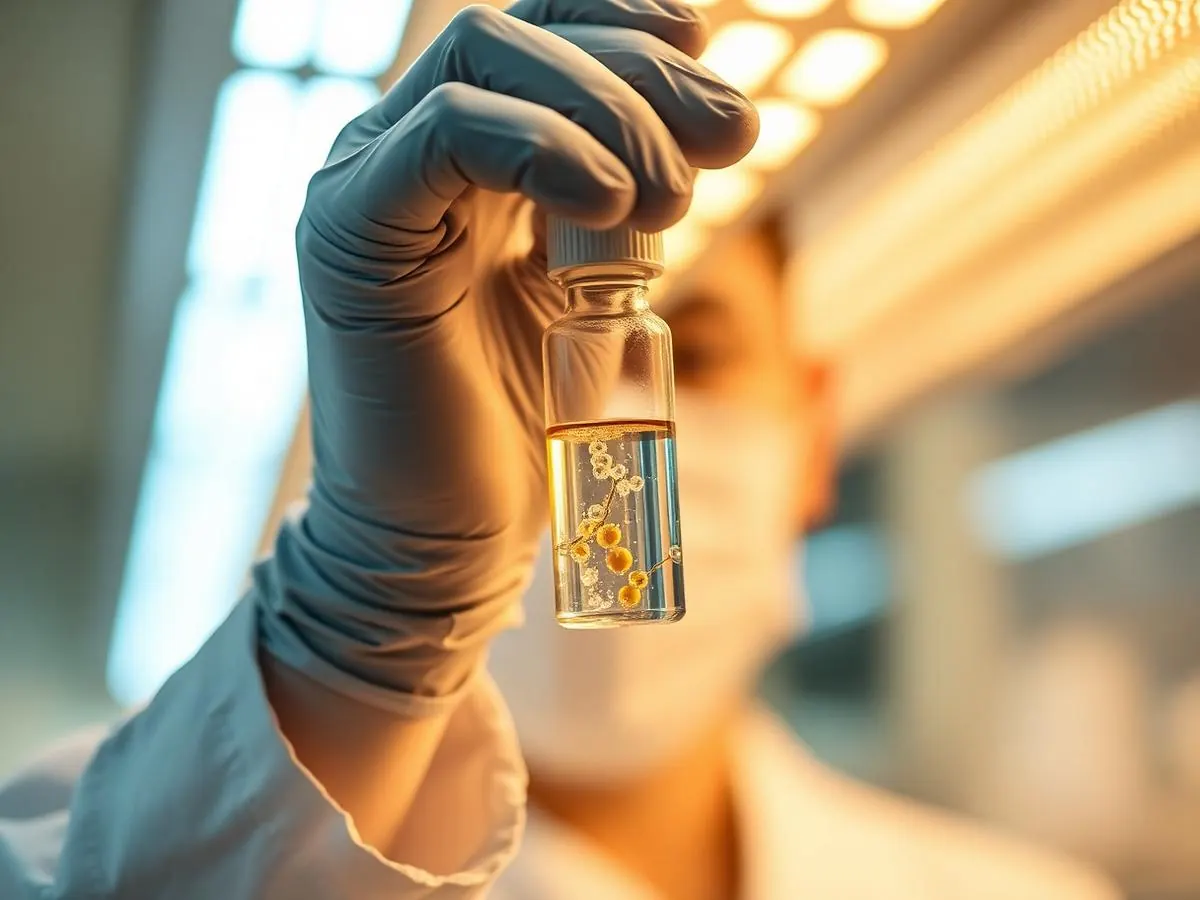
Mesenchymal cells are the body's repair coordinators. Here is what they actually do, how a program is structured, and what a patient should expect week by week.
Medically reviewed by the Bangkok Stem Cell Center medical team
Patients arrive at our centre having read a great deal about cellular therapy and, understandably, remain unsure what it actually involves. This guide sets out what mesenchymal cellular therapy is, how a program runs at our Bangkok Mediplex facility, and — just as importantly — where its limits lie.
The cells themselves
Mesenchymal cells, usually shortened to MSCs, are adult repair cells. They are not embryonic, and they are not engineered to become new organs. Their value lies in coordination: when introduced into an inflamed or damaged environment, they release signalling molecules that dampen excessive immune activity, encourage local blood supply and prompt resident cells to begin repairing. Researchers often describe them as conductors rather than musicians — they direct the repair orchestra rather than replacing every instrument.
The cells we use are derived from donated umbilical cord tissue, collected after healthy full-term deliveries with documented consent. Cord-derived cells are younger and more consistent than cells harvested from an adult's own fat or bone marrow, and collecting them requires nothing invasive from the patient.
Why the laboratory matters more than the marketing
The single biggest quality variable in this field is the laboratory. Between donation and infusion, cells must be isolated, expanded across several culture passages, tested for sterility and identity, counted for viability, and released against written specifications. Each of those steps can be done well or badly, and the patient cannot see the difference in the vial.
Our laboratory sits inside our own facility and operates to GMP standards under ISO 9001:2015 quality management. That means every batch carries a traceable record: donor screening, passage number, viability percentage and sterility results. If a clinic cannot show you that documentation, treat the price as irrelevant.
How a program is structured
A program begins with a physician consultation, not a booking. We review your medical history, current medications, previous imaging and — critically — what you actually want to achieve. Bloodwork is arranged where it will change the plan. Only then do we produce a written protocol setting out cell dose, route of delivery, number of sessions and total cost.
Delivery is usually intravenous for systemic goals such as immune balance or generalised inflammation, and directly into the joint where a specific structure is the problem. Most patients complete their program across three to five days as an outpatient, which suits those travelling from overseas.
What a realistic timeline looks like
Cellular therapy is not an analgesic. It does not switch pain off in the afternoon. The pattern most patients describe is a quiet first fortnight, gradual change between weeks four and eight, and the clearest difference somewhere around the three-month mark. Some notice improved sleep and energy before they notice anything about the original complaint, which is common when systemic inflammation falls.
Results vary, and they vary for identifiable reasons: how advanced the tissue damage is, age, metabolic health, smoking status and how consistently the aftercare plan is followed. A patient with early joint wear and good general health has a very different prognosis from one with bone-on-bone change, and both deserve to be told so before paying.
Who should not proceed
Cellular therapy is not appropriate for everyone. Active malignancy, acute infection, pregnancy and certain immunosuppressive regimens are all reasons to postpone or decline. We would rather turn a patient away at consultation than take payment for a program that carries more risk than benefit. If a clinic has never told you no, that in itself is information.
Questions worth asking any clinic
- Where were the cells processed, and can I see the release documentation?
- What cell count and viability am I receiving?
- Which licensed physician is responsible for my care?
- What happens at follow-up, and is it included?
- What outcome would you consider a failure for my case?
Cellular therapy is a serious medical intervention that deserves serious assessment. If you would like a physician's view on whether it suits your situation, message our team on WhatsApp — the first conversation costs nothing and comes with no obligation.
Reviewed by Bangkok Stem Cell Center Medical Team | Last updated: October 2026
Travelling to Bangkok During Cancer Treatment: A Medical Planning Checklist
Travel during cancer treatment requires more than a flight and hotel. This checklist helps patients coordinate records, medicines, safety and follow-up before leaving home.
Considering Cancer Immunotherapy in Bangkok? Questions to Ask Before You Travel
The word immunotherapy covers very different treatments. Before travelling, establish exactly what is proposed, why it fits the diagnosis, and who will manage complications.