
Is Stem Cell Therapy Safe? Spot the Red Flags
2026-10-03 · 8 min read
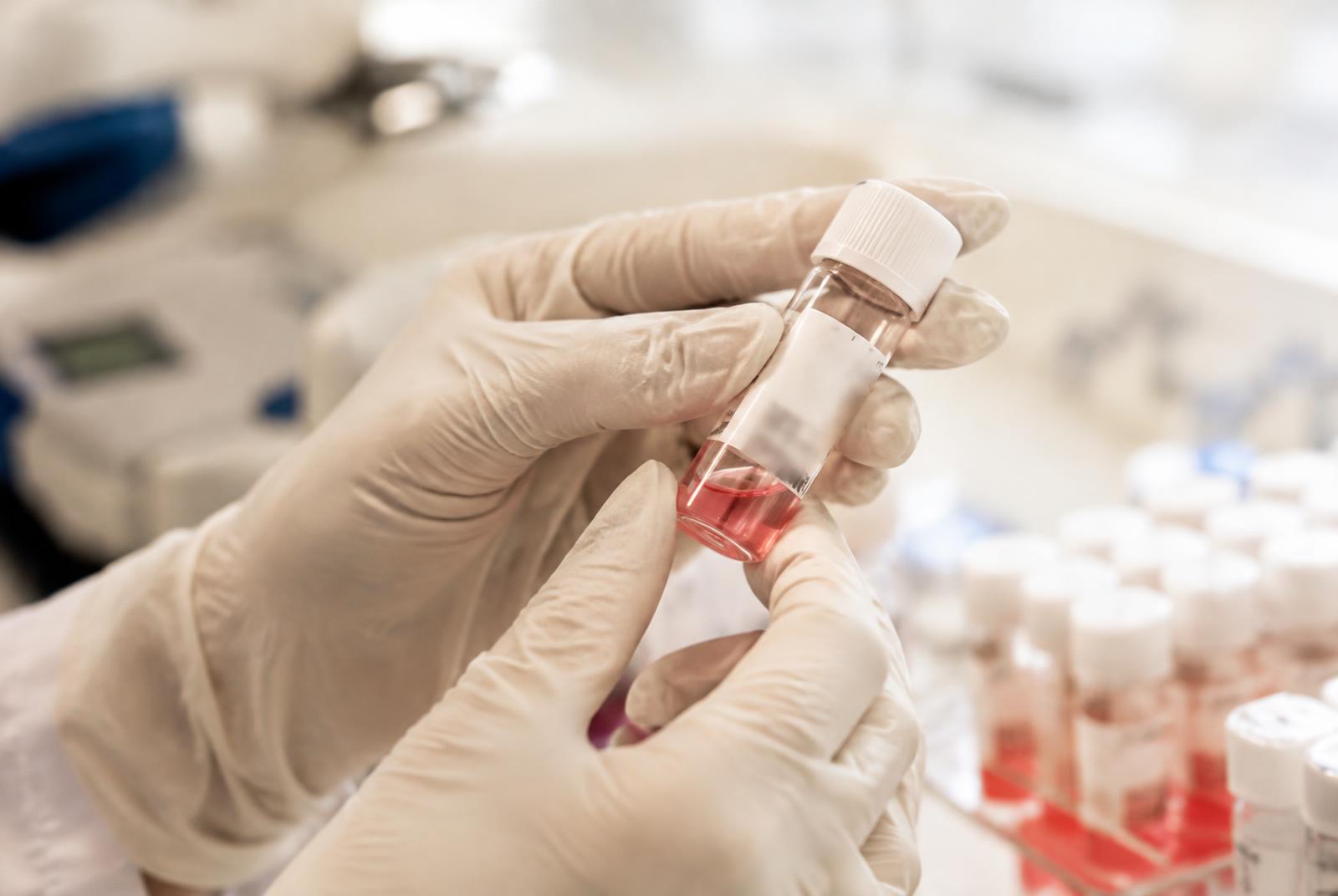
You have read the headlines: people harmed by treatments sold as stem cells. You still want to explore your options — without becoming the next cautionary tale. Here is how to tell careful practice from risky shortcuts.
Medically reviewed by the Bangkok Stem Cell Center medical team
Fear is a sensible response to some of what has happened in this field. Most people considering treatment are not reckless; they are tired of a condition and anxious about making a costly or dangerous mistake. Knowing what the evidence says about safety — and where harm has come from — turns that anxiety into a checklist.
What trials say about stem cell therapy safety
A systematic review of controlled clinical trials of mesenchymal stromal cells found no clear association with serious problems such as infection-related death, organ failure or cancer; the most consistent finding was short-lived fever around the time of infusion. That is reassuring — but it applies to properly produced cells given within trials, not to every product sold under the same name.
When stem cell treatments have caused harm
- Three people lost significant vision after unproven fat-derived "stem cell" injections into both eyes at a clinic offering treatment outside a proper trial.
- Researchers documented hundreds of businesses in the United States marketing stem cell treatments directly to consumers for a wide range of conditions, often without supporting evidence.
- Harm has typically been linked to unproven procedures, poor sterility, untested products, or treatment delivered to delicate areas without adequate safeguards.
Red flags that suggest a stem cell clinic is risky
- One product promoted for many unrelated conditions.
- Guarantees, cure language or "no risks" claims.
- Pressure to pay quickly or book immediately.
- No clear answer about cell source, testing or laboratory standards.
- Patient testimonials offered instead of published evidence.
- Reluctance to communicate with your own doctor.
Green flags that point to safer stem cell care
- A medical assessment that can end in "this is not suitable for you".
- Clear information on cell type, source, dose, testing and the laboratory's quality certification.
- A written consent process covering risks, alternatives and the limits of evidence.
- A defined follow-up plan and a named person to contact if problems arise.
Stem cell therapy safety when travelling abroad
Treatment abroad adds practical risks: continuity of care, communication across languages, and what happens if a complication appears after you fly home. Public health travel guidance recommends checking qualifications and accreditation, getting copies of records, and planning follow-up with your home doctor before travel.
The honest bottom line: is stem cell therapy safe?
Well-produced cells given in a careful medical setting have a reassuring safety record in trials. The serious harms reported have mostly come from unproven procedures and weak standards. Safety is not a property of the word "stem cell" — it is a property of the people, product and process behind it.
Frequently asked questions
Short, plain answers to the questions patients ask most — so you can read with clear expectations, not promises.
What are common side effects of stem cell therapy?
Trials most often report temporary fever, fatigue, or soreness at an injection site. Effects depend on the cell type and how it is given.
Can stem cell therapy cause cancer?
Reviews of MSC trials have not shown an increased cancer risk, but long-term data are still accumulating, and some cell types carry more theoretical risk than others.
How can I check a clinic's laboratory?
Ask which standards the laboratory meets, how each batch is tested for sterility and identity, and request documentation.
Is treatment within a clinical trial safer?
Trials add oversight, monitoring and reporting of side effects, which offers important protections.
Should my home doctor know?
Yes. Your regular doctor should know about any treatment so they can manage interactions and follow-up.
What should I do if I feel unwell after treatment?
Contact the treating team immediately and seek local medical care for urgent symptoms, bringing details of what was given.
References
Published studies and medical guidelines this article draws on.
- Lalu MM, et al. Safety of cell therapy with mesenchymal stromal cells (SafeCell): a systematic review and meta-analysis. PLoS One, 2012
- Kuriyan AE, et al. Vision loss after intravitreal injection of autologous "stem cells" for AMD. N Engl J Med, 2017
- Turner L, Knoepfler P. Selling stem cells in the USA: assessing the direct-to-consumer industry. Cell Stem Cell, 2016
- International Society for Stem Cell Research. A Closer Look at Stem Cells: patient resources. closerlookatstemcells.org, 2025
- International Society for Stem Cell Research. Guidelines for stem cell research and clinical translation. isscr.org, 2021
Reviewed by Bangkok Stem Cell Center Medical Team | Last updated: October 2026
Autism Progress Feels Slow? Your Treatment Options, Honestly
Months of therapy, and the milestones still feel far away. Before you chase the next promised breakthrough, here is a calm map of what autism treatment options actually do.
Hands That Tingle or Go Numb? Neuropathy Treatment Options, Explained
Burning feet at night. Buttons that slip out of numb fingers. Nerve pain rarely announces itself politely — and the internet answers with everything from vitamin B12 to stem cells. Here is the honest map.