
Cancer Immunotherapy: How Your Immune System Is Trained to Fight Cancer
2026-09-22 · 9 min read
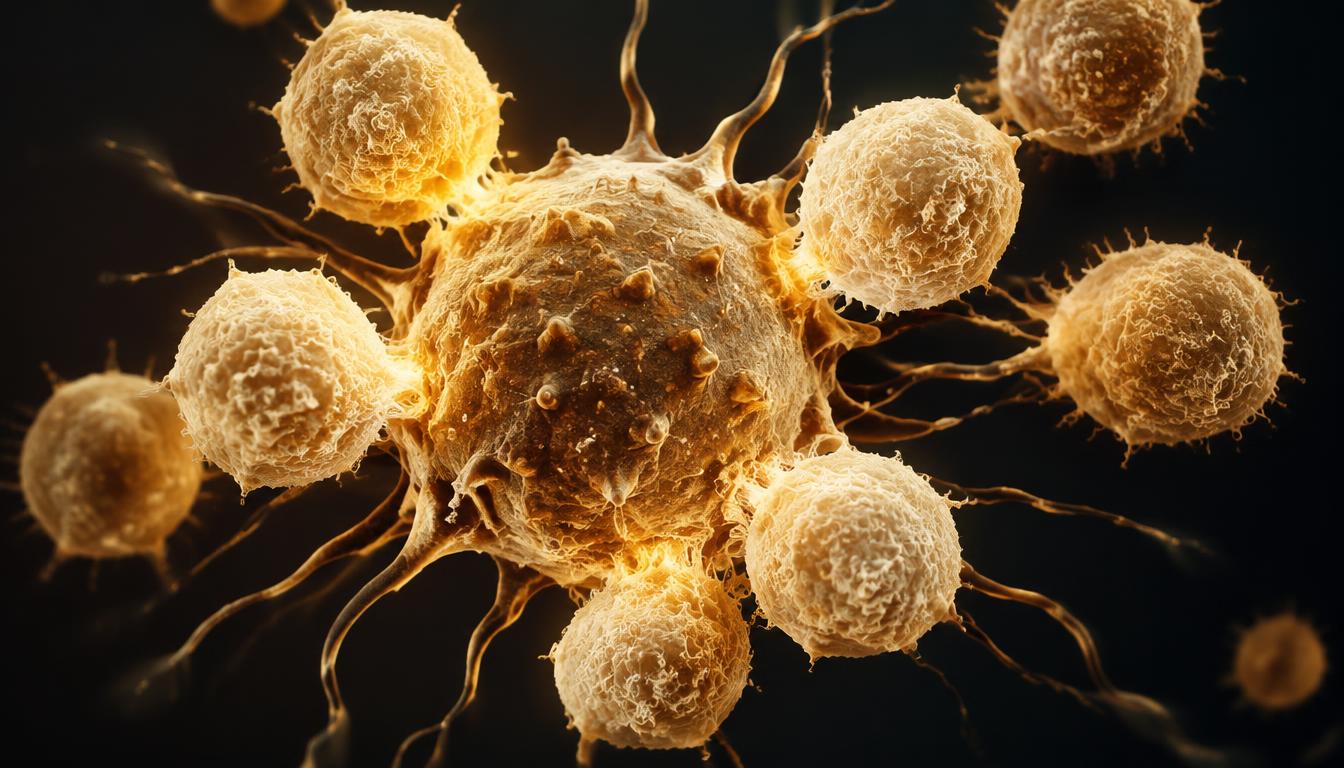
Immunotherapy has changed cancer care in the past decade. Here is how it works, the main types, and why it helps some people dramatically but not others.
Medically reviewed by the Bangkok Stem Cell Center medical team
For most of the last century, cancer treatment rested on three pillars: surgery, chemotherapy and radiotherapy. Immunotherapy added a fourth. Instead of attacking the cancer directly, it helps the patient's own immune system recognise and destroy cancer cells. This guide explains the main types in plain language.
Why the immune system misses cancer
Your immune system constantly patrols for abnormal cells, and it removes many early problems before they ever grow. Cancers that do develop have usually found ways to hide. Some display fewer warning signals. Others activate 'brakes' on immune cells, or create an environment around the tumour that suppresses immune activity. Immunotherapy targets these escape routes.
Type 1: Checkpoint inhibitors
Immune cells have built-in brakes, called checkpoints, such as PD-1, PD-L1 and CTLA-4. They normally stop the immune system from attacking healthy tissue. Many cancers exploit these brakes. Checkpoint inhibitor drugs release them, allowing T cells to attack the tumour. They have become standard treatment for several cancers, including melanoma, some lung cancers and kidney cancer.
Type 2: Cell therapies
Here, immune cells are collected, modified or expanded in a laboratory, and then given back. The best-known example is CAR-T therapy, where T cells are engineered to recognise a specific marker on cancer cells. Other approaches use natural killer (NK) cells or dendritic cells. We cover CAR-T in detail in a separate article.
Type 3: Cancer vaccines
Unlike vaccines that prevent infection, therapeutic cancer vaccines aim to teach the immune system to recognise an existing cancer. Personalised vaccines based on a tumour's specific mutations are an active area of research.
Type 4: Other approaches
- Monoclonal antibodies — lab-made proteins that tag cancer cells for the immune system
- Bispecific antibodies — molecules that physically bring T cells and cancer cells together
- Cytokines — immune signalling proteins such as interferons and interleukins
- Oncolytic viruses — modified viruses that infect cancer cells and alert the immune system
Why it works brilliantly for some and not others
Immunotherapy can produce long-lasting responses in some people, including in advanced disease. But many patients do not respond. Researchers look at factors such as PD-L1 levels, the number of mutations in the tumour, and whether immune cells are already present in the tumour to predict who is most likely to benefit.
Side effects are different from chemotherapy
Because immunotherapy activates the immune system, side effects often come from inflammation in healthy organs — known as immune-related adverse events.
- Fatigue, skin rash or itching
- Diarrhoea or colitis
- Thyroid or other hormone changes
- Less commonly, inflammation of the lungs, liver or other organs
- Most are manageable when reported early, which is why reporting new symptoms promptly matters
The honest bottom line
Immunotherapy is one of the most important advances in modern oncology, and its uses keep expanding. It is not a universal cure, and it works best when chosen by an oncologist based on your cancer type and tumour testing. Understanding how it works makes those conversations easier.
Reviewed by Bangkok Stem Cell Center Medical Team | Last updated: October 2026
Travelling to Bangkok During Cancer Treatment: A Medical Planning Checklist
Travel during cancer treatment requires more than a flight and hotel. This checklist helps patients coordinate records, medicines, safety and follow-up before leaving home.
Considering Cancer Immunotherapy in Bangkok? Questions to Ask Before You Travel
The word immunotherapy covers very different treatments. Before travelling, establish exactly what is proposed, why it fits the diagnosis, and who will manage complications.