
Dendritic Cell Therapy: The Immune System's Messengers, Explained
2026-09-21 · 7 min read
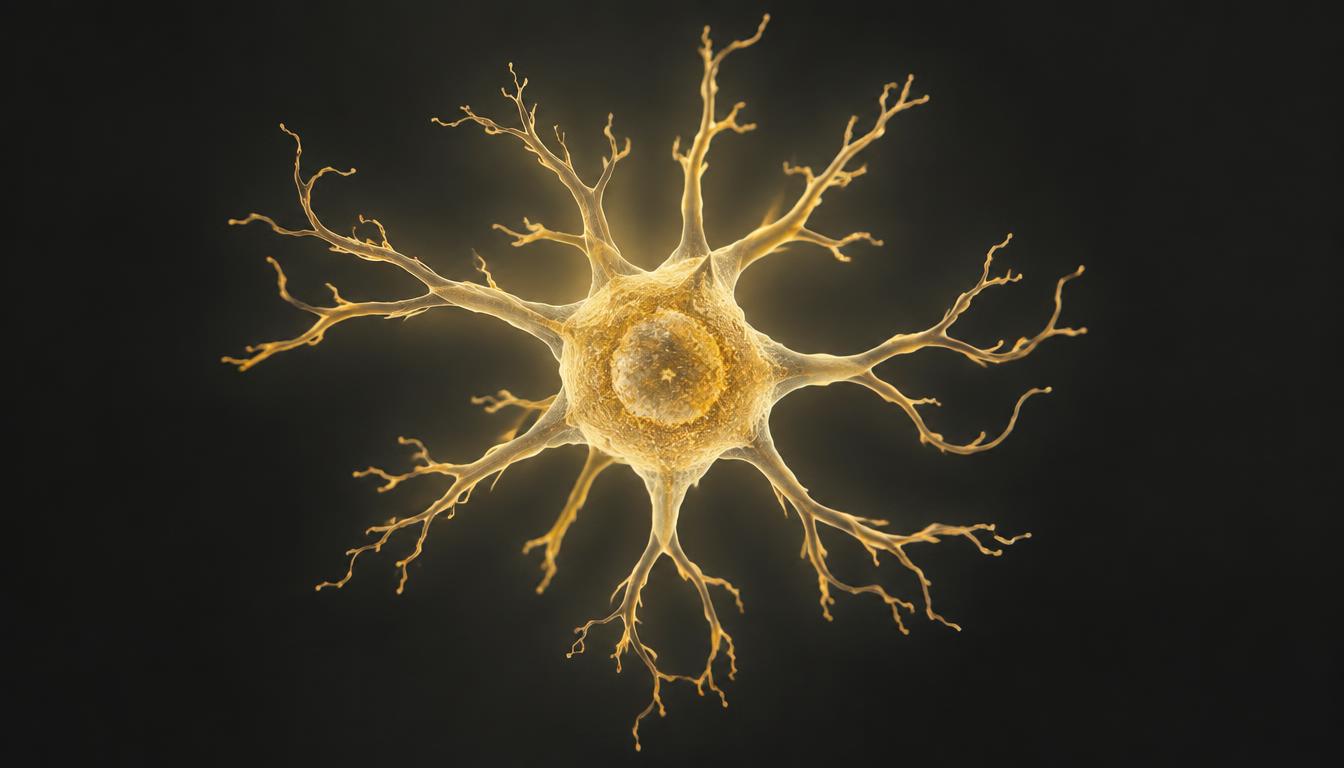
Dendritic cells are the immune system's teachers. Dendritic cell therapy tries to use them to 'show' the immune system what a cancer looks like.
Medically reviewed by the Bangkok Stem Cell Center medical team
Dendritic cell therapy is one of the more intriguing ideas in cancer immunotherapy. It is less well known than checkpoint inhibitors or CAR-T, yet it rests on a simple, elegant principle. This article explains what dendritic cells are, how the therapy is made, and where the evidence stands.
Meet the dendritic cell
Dendritic cells are named after their long, branching arms, which look a little like tree branches. They sit in the skin, the lining of the gut and airways, and other tissues, sampling their surroundings. When they find something suspicious — a virus, bacterium or abnormal cell — they break it into fragments called antigens and carry them to the lymph nodes.
There they 'present' those fragments to T cells, effectively saying: this is what the enemy looks like. That makes dendritic cells the link between detecting a threat and launching a targeted immune attack. Their discovery earned a share of the 2011 Nobel Prize in Physiology or Medicine.
The idea behind the therapy
Cancers often avoid triggering this process. Dendritic cell therapy tries to do the teaching step deliberately, outside the body, and then send the trained cells back in.
How it is typically made
- White blood cells are collected from the patient's blood
- In the laboratory, precursor cells are grown into dendritic cells
- These cells are exposed to cancer antigens — from the patient's tumour or from known cancer markers
- The 'loaded' dendritic cells are matured and injected back into the patient
- Ideally, they activate T cells that recognise and attack the cancer
Where it has been studied
One dendritic-cell-based product was approved in the United States for certain cases of advanced prostate cancer. Beyond that, dendritic cell vaccines have been studied in cancers including glioblastoma, melanoma, kidney, colorectal and ovarian cancer, often in early-phase trials.
What the evidence shows
Dendritic cell therapy is generally well tolerated in studies, with side effects usually limited to flu-like symptoms or reactions where it is injected. Results on survival have been mixed: some studies suggest benefit in selected patients, while others show modest or no effect. Researchers increasingly test it in combination with other treatments, such as checkpoint inhibitors, to overcome the tumour's immune suppression.
Why it is not yet standard care
- Manufacturing is personalised and complex
- The best antigen, dose and schedule are still being worked out
- Many trials are small, making results hard to compare
- Tumours can suppress immune cells even after they are activated
The honest bottom line
Dendritic cell therapy is a scientifically sound idea with a good safety record and one established approval. For most cancers it remains investigational. If you are exploring it, look for approaches linked to clinical trials or clear protocols, and discuss it with your oncologist alongside proven treatments.
Reviewed by Bangkok Stem Cell Center Medical Team | Last updated: October 2026
Travelling to Bangkok During Cancer Treatment: A Medical Planning Checklist
Travel during cancer treatment requires more than a flight and hotel. This checklist helps patients coordinate records, medicines, safety and follow-up before leaving home.
Considering Cancer Immunotherapy in Bangkok? Questions to Ask Before You Travel
The word immunotherapy covers very different treatments. Before travelling, establish exactly what is proposed, why it fits the diagnosis, and who will manage complications.