
Liver & Kidney
Fatty Liver Disease (NAFLD)
Lightening the load on a liver that's been quietly overworked.
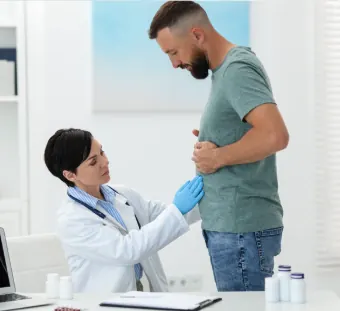
What is Fatty Liver Disease (NAFLD)?
Most people find out by accident, on a scan done for something else, and then spend a while wondering what it actually means. In practice it shows up as afternoon fatigue, a dull ache under the right ribs, blood tests that keep nudging upward, or a waistline that won't budge no matter what you try. It's common, it's often reversible early on, and it rarely announces itself until it's fairly advanced.
How regenerative medicine supports it
We start with proper staging — ultrasound or elastography, liver enzymes, metabolic markers — because fatty liver ranges from mild to serious and the plan depends on where you sit. Alongside structured diet and exercise coaching, we use therapies aimed at reducing inflammation and oxidative stress in liver tissue, and we re-test at intervals to see whether the numbers are actually moving. We're honest that if there's already significant scarring (cirrhosis), our role becomes supportive alongside your hepatologist, not a replacement for that care.
Treatments we would consider
Options discussed for this condition
Listed for orientation only. What is actually prescribed depends on your records.
- MSC TherapyMedical team-guided stem cell therapy using mesenchymal cells for joint, immune and whole-body recovery.
- Alpha-Lipoic Acid (ALA) TherapyALA infusions supporting nerve comfort, antioxidant status and metabolism.
- Curcumin IV TherapyIntravenous curcumin for anti-inflammatory and antioxidant support.
- NAD+ IV TherapyNAD+ infusions supporting cellular energy, focus and longevity programs.
If the evidence for treating fatty liver disease (nafld) this way is thin, we will tell you before you book — and the review is not billed.
Fatty Liver Disease (NAFLD) — Questions Patients Ask
Can fatty liver actually be reversed, or just managed?
In its early stages, yes — the liver has good regenerative capacity and many people see enzymes and imaging improve with sustained lifestyle change and support. Once there's significant fibrosis or cirrhosis, the goal shifts to stopping further damage rather than full reversal.
Do I need to stop drinking alcohol completely?
If alcohol is a contributing factor, yes, at least for a meaningful period while we get things under control. We'll talk honestly about your specific situation rather than giving a blanket rule.
How is this different from just losing weight?
Weight loss remains central and we won't pretend otherwise, but our IV and cellular therapies aim to reduce liver inflammation directly, which can help while you're doing the harder, slower work of changing habits.
Will you treat me if I already have cirrhosis?
We can offer supportive therapies to sit alongside your hepatologist's care, but cirrhosis needs specialist monitoring we're not positioned to replace, and we'll say so plainly rather than overpromise.
How often do you re-check my liver function?
Typically every 8-12 weeks during active treatment, using bloodwork and imaging, so we can see objectively whether the approach is working rather than relying on how you feel.
Reviewed by Bangkok Stem Cell Center Medical Team | Last updated: October 2026