
Regenerative Therapy
Curcumin IV Therapy
Highly bioavailable curcumin delivered straight into circulation.
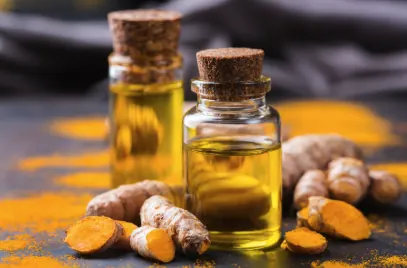
What is Curcumin IV Therapy?
Intravenous curcumin for anti-inflammatory and antioxidant support.
Curcumin, the active compound in turmeric, is poorly absorbed when swallowed. Delivering a pharmaceutical-grade preparation intravenously achieves circulating levels that oral capsules cannot reach, which is why it appears in inflammation-focused protocols. Sessions are short and typically scheduled in a series.
Key benefits
- 01Far higher bioavailability than oral turmeric
- 02Antioxidant and inflammation-focused support
- 03Short session times, easy to schedule in a series
- 04Combines readily with other IV protocols
- 05Pharmaceutical-grade preparation only
How it works
The sequence, from first records to follow-up
- 01
Marker baseline
CRP and other inflammatory markers are recorded first, so the effect of the series can be evaluated rather than assumed.
- 02
Bleeding-risk review
Curcumin has mild antiplatelet activity. Anticoagulant use and upcoming surgery are checked before the first infusion.
- 03
Graduated dosing
The first infusion is given at a reduced rate to establish tolerance before moving to full protocol dosing.
- 04
Infusion series
Sessions are typically weekly across four to eight weeks, each running sixty to ninety minutes.
- 05
Marker recheck
Inflammatory markers are repeated at the end of the series. If they have not moved and symptoms have not changed, we stop.
What to expect
Before

Tell us about aspirin, warfarin or any anticoagulant, and about any surgery planned within the next fortnight.
During

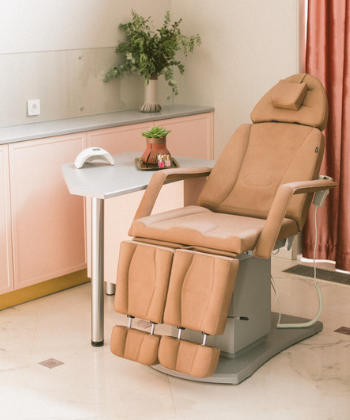
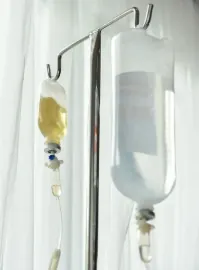
The infusion is bright yellow and unremarkable to receive. Mild warmth is occasionally reported early in the session.
After
No downtime. Any reduction in aching or stiffness tends to appear across the second half of the series rather than immediately.
Highly bioavailable curcumin delivered straight into circulation.
Curcumin IV Therapy — Questions Patients Ask
Why not just take turmeric capsules?
Oral curcumin is poorly absorbed, which is the entire argument for the intravenous route. If your symptoms are mild, capsules with piperine are a reasonable and much cheaper starting point.
Will this replace my anti-inflammatory medication?
Not without your prescribing doctor's agreement. It is used as support alongside existing treatment, and stopping prescribed medication is their decision, not ours.
Does it interact with blood thinners?
It can. That is why anticoagulant use is reviewed before the first session and, in some cases, why we decline to treat.
How many sessions before judging it?
Four to six. We recheck markers at that point and make a decision based on the numbers.
Will it stain my skin?
No. The colour is striking in the bag and in your urine afterwards, but it does not discolour skin.
Reviewed by Bangkok Stem Cell Center Medical Team | Last updated: October 2026
Related protocols
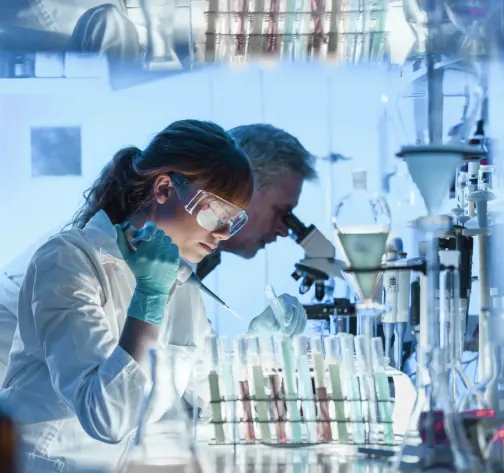 MSC TherapyMedical team-guided stem cell therapy using mesenchymal cells for joint, immune and whole-body recovery.
 Exosome TherapySignalling-rich exosome protocols, often combined with stem cell therapy, supporting tissue repair, recovery and aesthetics.
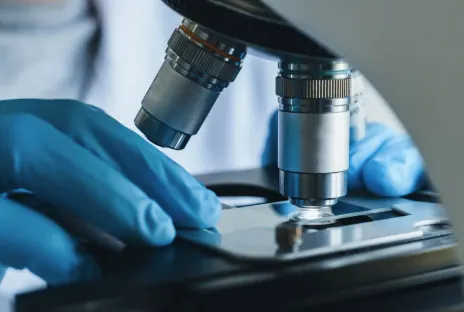 NK & NKT Cell ImmunotherapyNatural killer and NKT cell programs to support immune surveillance, frequently used alongside stem cell protocols.
Next step
Send us your records. We will tell you what is realistic.
A medical team member reads your history before anything is quoted or scheduled. If cellular therapy is unlikely to move your numbers, we say so and point you somewhere more useful.

Mon – Sat
Clinic hours by appointment.