
Regenerative Therapy
Alpha-Lipoic Acid (ALA) Therapy
A dual-action antioxidant for nerve and metabolic health.

What is Alpha-Lipoic Acid (ALA) Therapy?
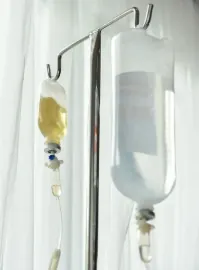
ALA infusions supporting nerve comfort, antioxidant status and metabolism.
Alpha-lipoic acid is unusual in that it works in both water-based and fat-based environments in the body, and it helps regenerate other antioxidants. Intravenous ALA is most often used where nerve comfort and metabolic support are the focus, and it is typically prescribed as a short course rather than a single session.

Key benefits
- 01Active in both water and fat-soluble compartments
- 02Commonly used for nerve comfort in the hands and feet
- 03Supports glucose metabolism and antioxidant capacity
- 04Given as a structured short course
- 05Well tolerated at clinician-set dosing
How it works
The sequence, from first records to follow-up
- 01
Indication check
ALA is most useful in nerve-related and metabolic contexts. We confirm which applies rather than treating it as a general wellness infusion.
- 02
Glucose and thyroid review
ALA can lower blood glucose and interacts with thyroid medication timing. Both are reviewed before the first session.
- 03
Low first dose
The opening infusion uses a reduced dose to check tolerance, particularly in patients on diabetes medication.
- 04
Series
Typically two sessions per week across three to four weeks, each around forty-five minutes.
- 05
Symptom scoring
Neuropathic symptoms are scored before and after using the same scale, so improvement is recorded rather than remembered.
What to expect
Before

Eat before the session. Diabetic patients should bring a glucose meter and check before and after, since ALA can reduce readings.
During

The infusion is light-sensitive and given in a covered bag, which surprises patients. Otherwise it is uneventful.
After

Occasional mild nausea or a passing headache. Low blood sugar is the effect to watch for if you are on glucose-lowering medication.
A dual-action antioxidant for nerve and metabolic health.
Alpha-Lipoic Acid (ALA) Therapy — Questions Patients Ask
What is the main reason patients have this?
Burning or tingling neuropathic symptoms, most often diabetes-related. That is where the supporting evidence is strongest and where we most often recommend it.
Can it affect my diabetes medication?
Yes — it can lower blood glucose, so doses may need adjusting. We coordinate with your prescribing doctor rather than changing anything ourselves.

Why is the bag covered?
Alpha lipoic acid degrades in light. The cover is a stability measure, not a clinical concern.
IV or oral?
IV for a loading course where symptoms are significant, then oral for maintenance. We do not run indefinite IV courses when tablets will hold the position.
How quickly do symptoms change?
Usually across the second and third week of the series. If your symptom score has not moved at all by the end, we do not repeat it.
Reviewed by Bangkok Stem Cell Center Medical Team | Last updated: October 2026
Related protocols
 MSC TherapyMedical team-guided stem cell therapy using mesenchymal cells for joint, immune and whole-body recovery.
 Exosome TherapySignalling-rich exosome protocols, often combined with stem cell therapy, supporting tissue repair, recovery and aesthetics.
 NK & NKT Cell ImmunotherapyNatural killer and NKT cell programs to support immune surveillance, frequently used alongside stem cell protocols.
Next step
Send us your records. We will tell you what is realistic.
A medical team member reads your history before anything is quoted or scheduled. If cellular therapy is unlikely to move your numbers, we say so and point you somewhere more useful.

Mon – Sat
Clinic hours by appointment.