
Anti-Aging & Wellness
Acne Scars
Softening texture that make-up and time haven't fixed.
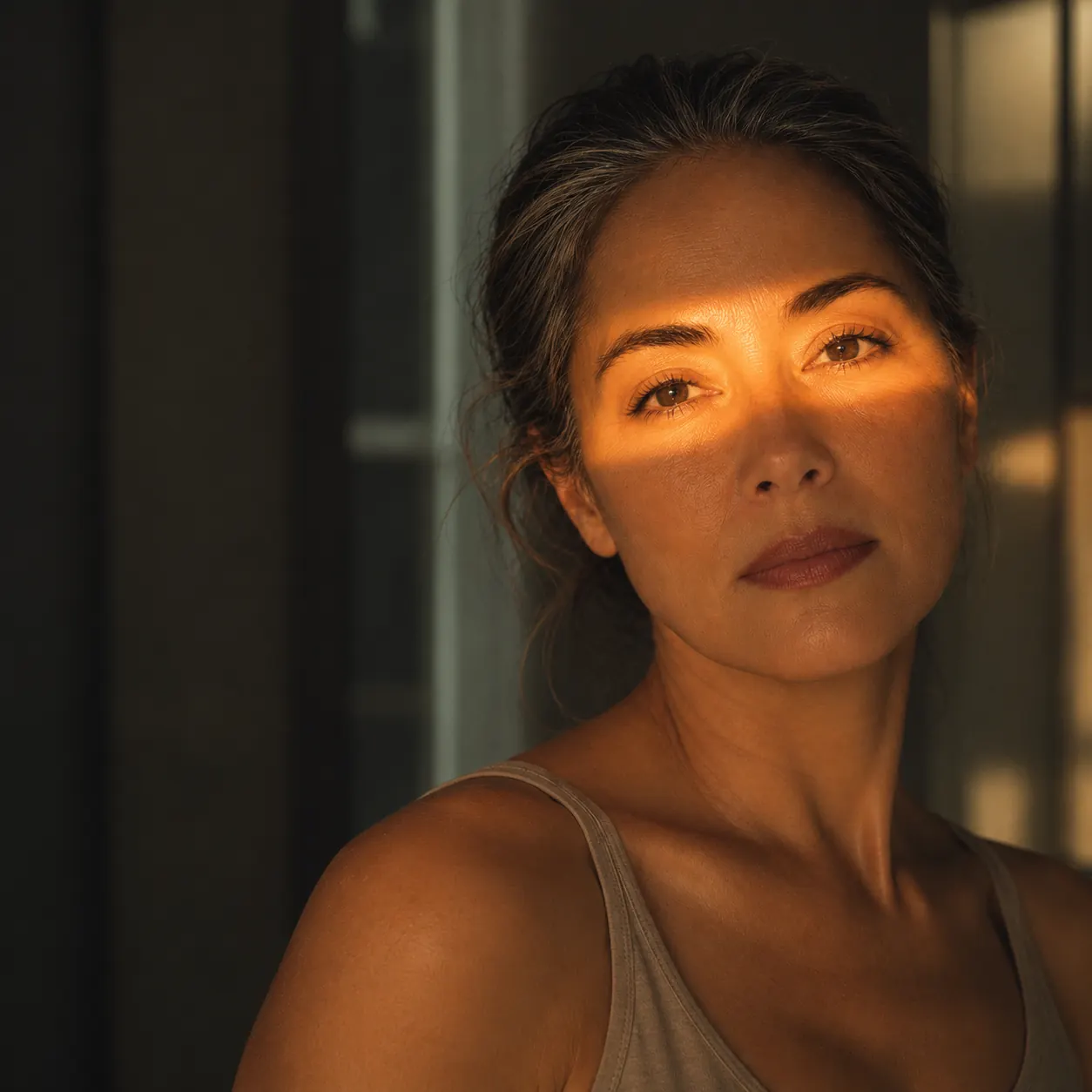
What is Acne Scars?
Years after the spots have gone, the marks they left behind often haven't — pitted texture across the cheeks, a shine that catches light unevenly, skin that photographs worse than it feels in the mirror. It's rarely about vanity in the shallow sense; people just want their skin to look like it's healed properly, and for many it never quite has. Ice-pick and boxcar scarring respond differently, which is why a proper look at the pattern matters before anything is promised.
How regenerative medicine supports it
We start by examining scar type and depth under good light, because rolling scars, boxcar scars and pigmentation respond to different combinations of treatment. Exosome and growth factor protocols work on collagen signalling beneath the surface, and we photograph under consistent lighting at baseline and again at three months so any change is real, not remembered. Deep ice-pick scarring often needs laser resurfacing or subcision alongside this, and we'll say so rather than oversell what regenerative treatment alone can do.
Treatments we would consider
Options discussed for this condition
Listed for orientation only. What is actually prescribed depends on your records.
- Exosome TherapySignalling-rich exosome protocols, often combined with stem cell therapy, supporting tissue repair, recovery and aesthetics.
- Growth Factor TherapyConcentrated growth factor protocols for tissue repair and regeneration.
- PRP TherapyPlatelet-rich plasma for orthopaedic, aesthetic and recovery applications.
- Vitamin IV TherapyPersonalised nutrient infusions for hydration, energy, immunity and recovery.
If the evidence for treating acne scars this way is thin, we will tell you before you book — and the review is not billed.
Acne Scars — Questions Patients Ask
Will this get rid of my scars completely?
Honestly, complete removal is unusual — the realistic goal is meaningfully softer texture and less noticeable shadowing, and we'll show you comparable cases so you know what's plausible for your scar type before starting.
How is this different from a dermatologist's laser treatment?
Laser resurfaces the surface directly, while our protocols work on the underlying collagen signalling; many patients do better combining both, and we'll refer you for resurfacing if your scarring is the deep, punched-out type that responds best to it.
How many sessions will I need?
Most patients need a course of several sessions spaced weeks apart, with progress reviewed at three months against baseline photographs — we won't keep recommending sessions if the photos aren't showing change.
Does this work on active acne too, or just old scars?
It's designed for settled, inactive scarring — if you still have active breakouts, treating those first with a dermatologist gives any scar treatment a fairer chance of showing through.
I have darker skin — is there a pigmentation risk?
These protocols aren't light-based, so the post-inflammatory pigmentation risk that comes with some laser treatments doesn't apply in the same way, though we still discuss your individual scarring and sun exposure before starting.
Reviewed by Bangkok Stem Cell Center Medical Team | Last updated: October 2026