
Regenerative Therapy
Growth Factor Therapy
Bioactive proteins that direct tissue repair and renewal.
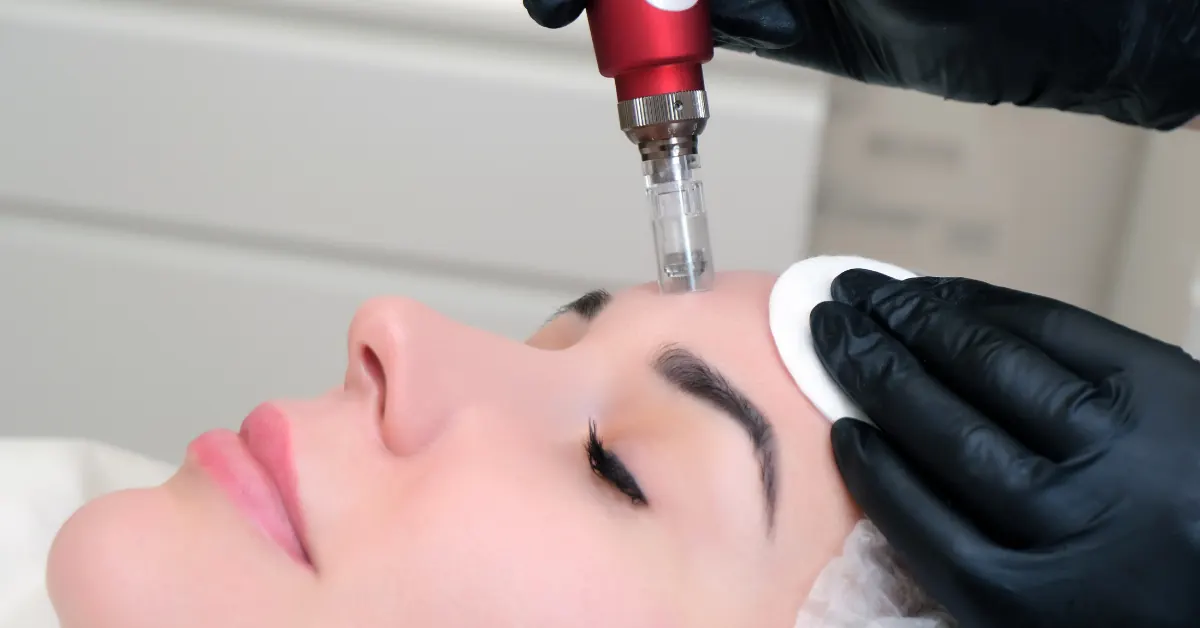
What is Growth Factor Therapy?
Concentrated growth factor protocols for tissue repair and regeneration.
Growth factors are the proteins that tell tissue when to repair, when to build new blood supply and when to stop. This therapy concentrates those proteins and delivers them where structural recovery is wanted — soft tissue, skin, or slow-healing areas — either alone or as a companion to cellular and exosome programs.
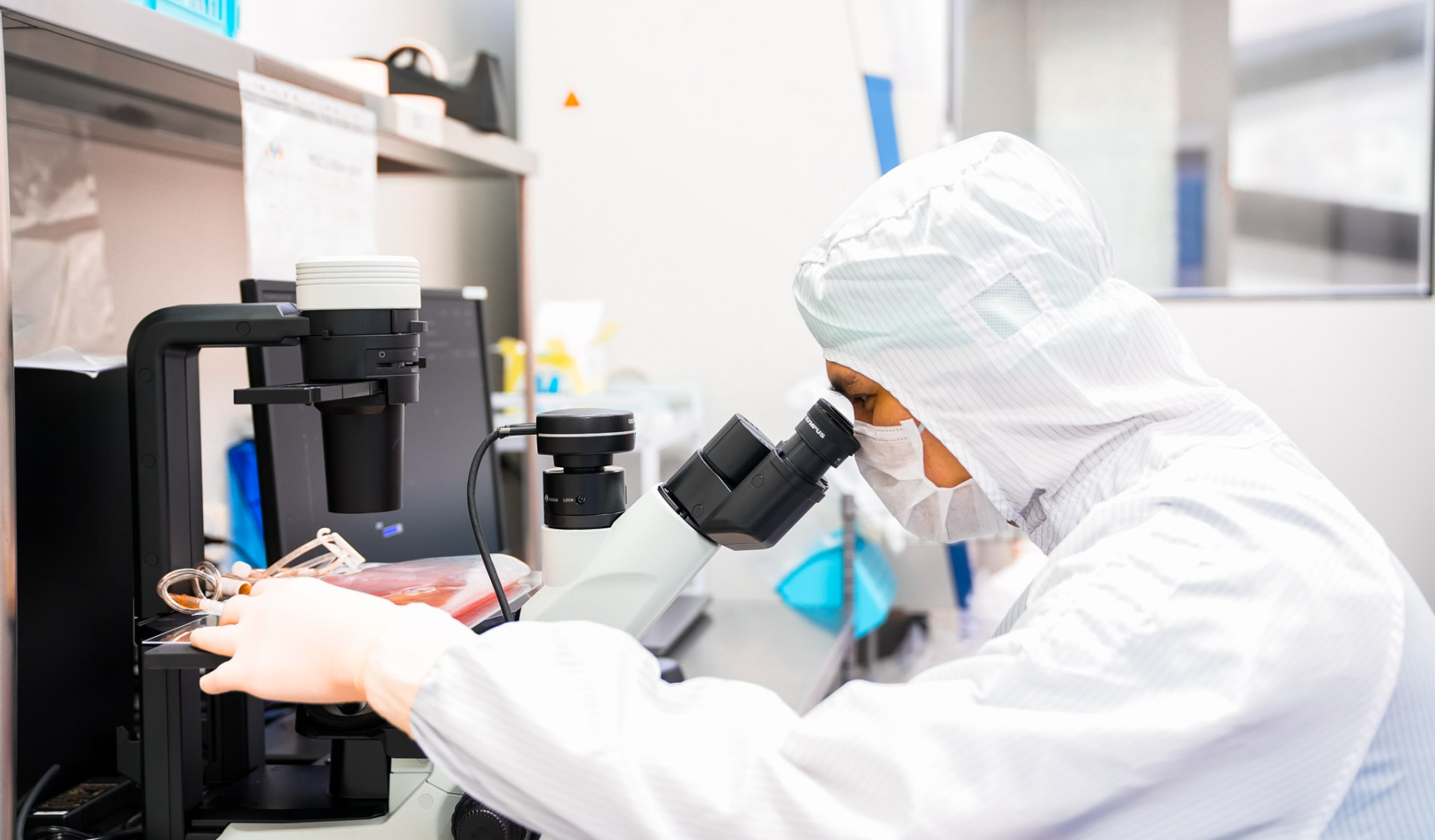
Key benefits
- 01Supports structural repair in soft tissue and skin
- 02Complements cellular and exosome protocols
- 03Localised or systemic delivery options
- 04Minimal downtime for most patients
- 05Protocol length matched to your recovery goals
How it works
The sequence, from first records to follow-up
- 01
Defining the target tissue
Growth factor protocols are placed, not spread. We identify the tendon, joint or dermal layer that will receive them before anything is prepared.
- 02
Preparation
Concentrated growth factor material is prepared and quality-checked for the planned route and volume.
- 03
Application
Delivery is by targeted injection, micro-channelling or infusion depending on the tissue. Sessions run thirty to sixty minutes.
- 04
Interval scheduling
Sessions are spaced by tissue turnover rate — faster for skin, slower for tendon — rather than by a fixed calendar.
- 05
Objective review
Tendon work is reviewed with imaging or loading tests; skin work with fixed-lighting photography.
What to expect
Before

Pause anti-inflammatory medication in the week before treatment. For skin protocols, stop active topicals five days ahead.
During
Brief discomfort at the injection sites, managed with topical anaesthetic where appropriate.
After
Local swelling or redness for one to three days. Change is cumulative across the series rather than visible after one session.
Bioactive proteins that direct tissue repair and renewal.
Growth Factor Therapy — Questions Patients Ask
How is this different from PRP?
PRP is prepared from your own blood on the day. Growth factor therapy uses a concentrated, standardised preparation, which gives more consistent dosing but is not autologous.
Which is better for a tendon problem?
It depends on the tendon and how long it has been irritated. Both are reasonable, and our medical team will explain the trade-off rather than defaulting to one.
How many sessions are typical?
Three to four in most protocols, spaced according to the tissue being treated.
Can it be combined with cellular therapy?
Yes, and it frequently is — growth factors are used to support the local environment where cells have been placed.
Is there any downtime?
Little to none. Loaded exercise on treated tendons is restricted for around two weeks; ordinary activity is not.
Reviewed by Bangkok Stem Cell Center Medical Team | Last updated: October 2026
Related protocols
 MSC TherapyMedical team-guided stem cell therapy using mesenchymal cells for joint, immune and whole-body recovery.
 Exosome TherapySignalling-rich exosome protocols, often combined with stem cell therapy, supporting tissue repair, recovery and aesthetics.
 NK & NKT Cell ImmunotherapyNatural killer and NKT cell programs to support immune surveillance, frequently used alongside stem cell protocols.
Next step
Send us your records. We will tell you what is realistic.
A medical team member reads your history before anything is quoted or scheduled. If cellular therapy is unlikely to move your numbers, we say so and point you somewhere more useful.

Mon – Sat
Clinic hours by appointment.