Are Umbilical Cord Stem Cells Really Safe?
2026-10-30 · 7 min read
Donated cord tissue, lab-grown cells, a stranger's DNA? Here is what umbilical cord stem cells are, why clinics prefer them, and how safety is checked.
Medically reviewed by the Bangkok Stem Cell Center medical team
You ask a clinic where the cells come from and hear "umbilical cord." Your next thought is usually, "Whose cord? Is that safe for me?" It is a fair question. This guide explains umbilical cord stem cells in plain words: where they come from, why many clinics use them, and what makes one source careful and another risky.
Where umbilical cord stem cells come from
After a healthy, planned birth, the cord and placenta are normally discarded. With the mother's consent, the cord tissue can be donated instead. Labs separate a type of cell called a mesenchymal stromal cell (MSC) from the jelly-like tissue inside the cord, known as Wharton's jelly. Nobody is harmed by the collection, and the baby and mother are unaffected.
Why clinics choose umbilical cord stem cells
- No harvest procedure for you: no bone marrow draw or fat removal.
- Younger cells that tend to grow steadily in the lab.
- MSCs carry few of the markers that usually trigger rejection, so donor matching is not normally needed.
- Each batch can be tested before anyone receives it.
Our guide to what a stem cell is explains how MSCs differ from the blood-forming cells used in cancer transplants.
How safety of umbilical cord stem cells is checked
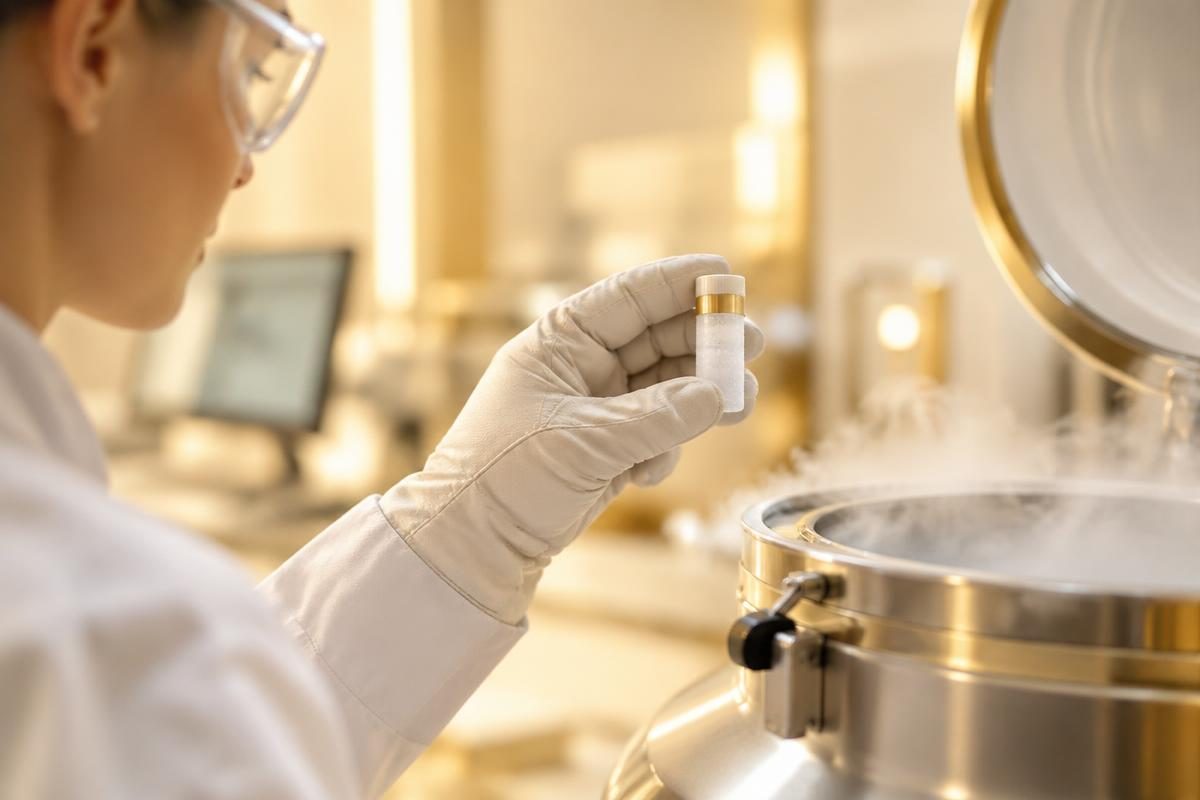
Safety depends far more on the lab than on the cord. A careful lab screens the donor mother for infections, tests every batch for sterility, bacterial toxins and cell identity, and records how many times the cells were grown. Reviews of MSC treatment have found that short-lived fever is the main reaction linked to the cells. Serious problems are mostly tied to poorly tested or unregulated products.
Questions to ask about umbilical cord stem cells
- How is the donor screened, and what consent is recorded?
- Can I see the test certificate for my batch?
- How many times were the cells grown before use?
- Who monitors me during and after treatment?
The honest bottom line
Umbilical cord stem cells are a practical, widely used cell source, and well-run labs make them as safe as possible. They are not a guaranteed fix, and the quality of testing is what really matters. Read more about whether stem cell therapy is safe, visit our Bangkok Stem Cell Center home page, or ask our team for the testing records we use.
Frequently asked questions
Short, plain answers to the questions patients ask most — so you can read with clear expectations, not promises.
Are umbilical cord stem cells from a baby harmful to the baby?
No. The cord is collected after birth, with consent, from tissue that would otherwise be thrown away. The baby and mother are not affected.
Will my body reject umbilical cord stem cells?
MSCs from cord tissue carry few markers that trigger rejection, so donor matching is not usually required. Your doctor still checks for allergies and other risks.
Are cord blood and cord tissue the same thing?
No. Cord blood contains blood-forming cells used in transplants. Cord tissue (Wharton's jelly) is the usual source of the MSCs used in regenerative clinics.
What side effects can happen?
Short-lived fever, tiredness or headache after an IV session are the most commonly reported reactions. Anything severe or lasting should be checked by a doctor.
Can I check the quality of the cells?
You should be able to. Ask for the batch's sterility, identity and cell-count results before treatment.
Are umbilical cord stem cells better than my own cells?
Not always. Each source has trade-offs. A doctor should explain why a particular source suits your case.
References
Published studies and medical guidelines this article draws on.
- MedlinePlus (U.S. National Library of Medicine). Stem cells. medlineplus.gov, 2025
- Lalu MM, et al. Safety of cell therapy with mesenchymal stromal cells (SafeCell): a systematic review and meta-analysis. PLoS One, 2012
- International Society for Stem Cell Research. Guidelines for stem cell research and clinical translation. isscr.org, 2021
- U.S. Food and Drug Administration. Consumer alert on regenerative medicine products including stem cells and exosomes. fda.gov, 2025
Reviewed by Bangkok Stem Cell Center Medical Team | Last updated: October 2026
What Are NKT Cells, and Why Are Cancer Doctors Watching Them?
You have heard of NK cells and T cells. NKT cells sit between them, and researchers are curious about what they might add to cancer care.
NK or NKT Cell Therapy in Bangkok: Which Fits Your Cancer Care?
Two clinics, two similar names, one decision. Here is a side-by-side look at NK and NKT cell therapy for patients considering Bangkok.