
Told You Have Fatty Liver? Your Treatment Options, Explained
2026-10-12 · 7 min read
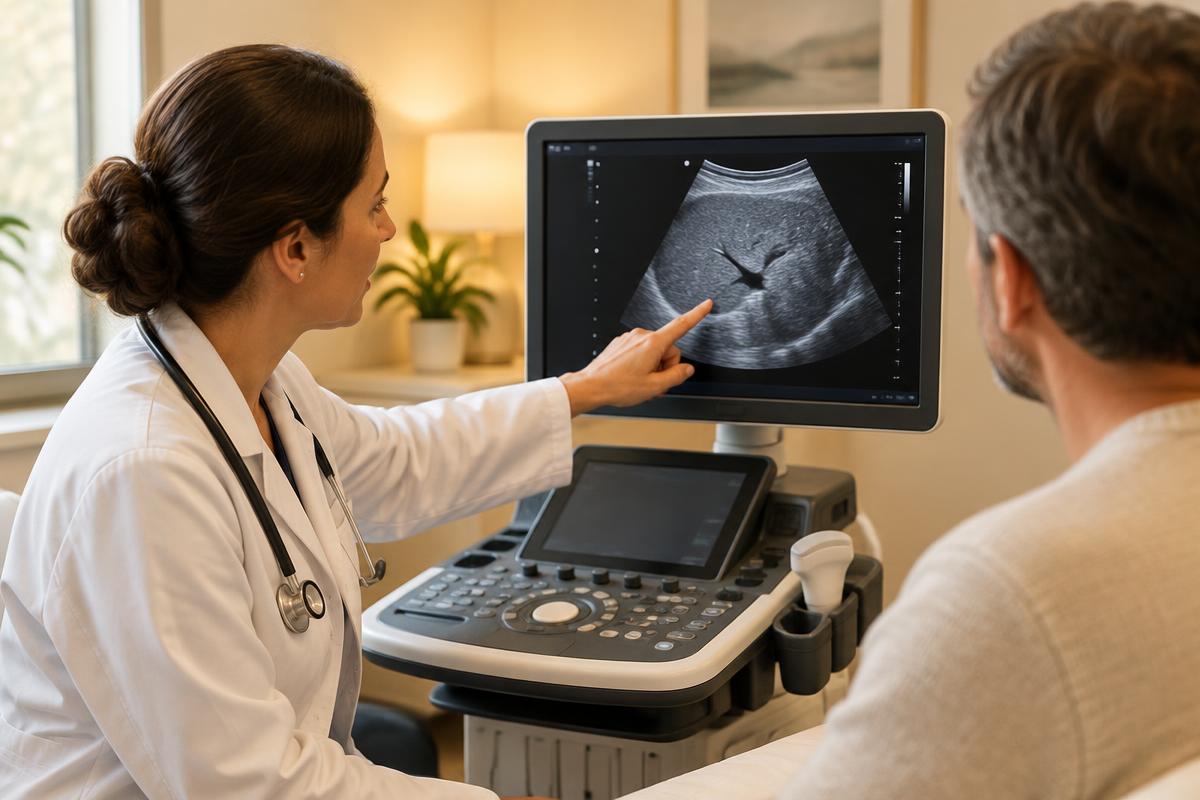
A routine scan or blood test, and suddenly you have a diagnosis you barely understand: fatty liver. The doctor says "lifestyle changes" — but what does that really mean, and what about the treatments you see advertised?
Medically reviewed by the Bangkok Stem Cell Center medical team
It often starts with a routine health check. An ultrasound mentions a "bright liver", or a blood test shows raised liver enzymes, and you leave with a diagnosis — fatty liver disease — and vague advice to eat better. Then the searching begins, and with it the advertisements: supplements, detoxes, and increasingly, stem cell therapy. Here is what the evidence actually supports.
What fatty liver disease actually is
Metabolic dysfunction-associated steatotic liver disease (MASLD, formerly called NAFLD) means excess fat stored in the liver of someone who drinks little or no alcohol. It is tightly linked to weight, insulin resistance, type 2 diabetes and cholesterol. Most people have simple fat accumulation, which is relatively benign — but in a minority it progresses to inflammation and scarring (MASH), then cirrhosis. The key question for any patient is which stage they are at, which is why proper assessment matters more than any single treatment.
What actually reverses fatty liver
- Weight loss remains the most powerful proven treatment: losing around 7–10% of body weight can resolve liver inflammation in many people, and greater loss can reduce scarring.
- Regular exercise improves liver fat even without major weight loss.
- Tight control of diabetes, cholesterol and blood pressure reduces progression risk.
- In 2024, resmetirom became the first medication approved (in the US) specifically for MASH with moderate-to-advanced scarring, based on the MAESTRO-NASH trial — a genuine milestone, though it is for a specific stage of disease, not everyone with fatty liver.
Where stem cell therapy fits — honestly
Stem cell research in liver disease is real, but it has focused on the far end of the spectrum: cirrhosis and liver failure, where options are desperately limited. Trials of mesenchymal stromal cells in cirrhosis — including a randomised study in hepatitis B-related cirrhosis — have shown safety and some improvements in liver function scores, but not restored livers. For ordinary fatty liver, which is reversible through lifestyle change, there is no trial evidence supporting stem cell therapy at all. Offering it for simple fatty liver is selling an experimental tool for a problem that already has a proven, free solution.
Red flags when clinics advertise liver "regeneration"
- Promises to regenerate your liver when you have simple fatty liver — a condition that lifestyle change can reverse.
- No staging: no ultrasound elastography (FibroScan), no fibrosis scoring, no discussion of whether you even have scarring.
- No involvement of a liver specialist (hepatologist).
- Vague cell descriptions with no information on sourcing, testing or dosing.
The practical plan that works
Get properly staged first: blood tests, a fibrosis assessment, and a clear answer on whether you have simple fat, inflammation, or scarring. Then the unglamorous truth — sustained weight loss, movement, and metabolic control — does what no injection currently can for this condition. If scarring is advanced, ask a hepatologist about resmetirom and about legitimate clinical trials, which are the honest route to experimental options.
The honest bottom line on stem cells for fatty liver
Fatty liver disease is one of the few chronic conditions that can genuinely be reversed — by your own daily choices, backed by strong evidence. Stem cell therapy plays no proven role in it. Save your hope and your money for what works, and see a liver specialist if your staging shows anything beyond simple fat.
Frequently asked questions
Short, plain answers to the questions patients ask most — so you can read with clear expectations, not promises.
Can fatty liver be reversed?
Yes. Simple fatty liver and even early inflammation can reverse with sustained weight loss of around 7–10% of body weight, exercise and metabolic control.
Is there an approved medication?
Resmetirom was approved in the US in 2024 for MASH with moderate-to-advanced fibrosis, alongside diet and exercise. It is not indicated for simple fatty liver.
Do stem cells help fatty liver?
There is no trial evidence supporting stem cell therapy for simple fatty liver. Cell therapy research has focused on advanced cirrhosis, where results show safety and modest functional improvements at best.
How do I know how bad my liver is?
Ask for proper staging: liver blood tests, a fibrosis score, and ultrasound elastography (such as FibroScan). This determines whether you need lifestyle change alone or specialist care.
Are liver detox supplements worth it?
No supplement has been shown to reverse fatty liver in good-quality trials. Some unregulated products have themselves caused liver injury.
When should I see a specialist?
If tests show raised enzymes that persist, signs of scarring, or if you have diabetes or other metabolic conditions alongside fatty liver, a hepatologist should be involved.
References
Published studies and medical guidelines this article draws on.
- Rinella ME, et al. AASLD practice guidance on the clinical assessment and management of nonalcoholic fatty liver disease. Hepatology, 2023
- U.S. Food and Drug Administration. FDA approves first treatment for patients with liver scarring due to fatty liver disease (resmetirom). fda.gov, 2024
- Shi M, et al. Mesenchymal stem cell therapy in decompensated liver cirrhosis: a long-term follow-up analysis of the randomized controlled clinical trial. Hepatol Int, 2021
Reviewed by Bangkok Stem Cell Center Medical Team | Last updated: October 2026
Autism Progress Feels Slow? Your Treatment Options, Honestly
Months of therapy, and the milestones still feel far away. Before you chase the next promised breakthrough, here is a calm map of what autism treatment options actually do.
Hands That Tingle or Go Numb? Neuropathy Treatment Options, Explained
Burning feet at night. Buttons that slip out of numb fingers. Nerve pain rarely announces itself politely — and the internet answers with everything from vitamin B12 to stem cells. Here is the honest map.