
NK Cell Therapy: Can Your Own Immune Cells Fight Back?
2026-10-19 · 7 min read
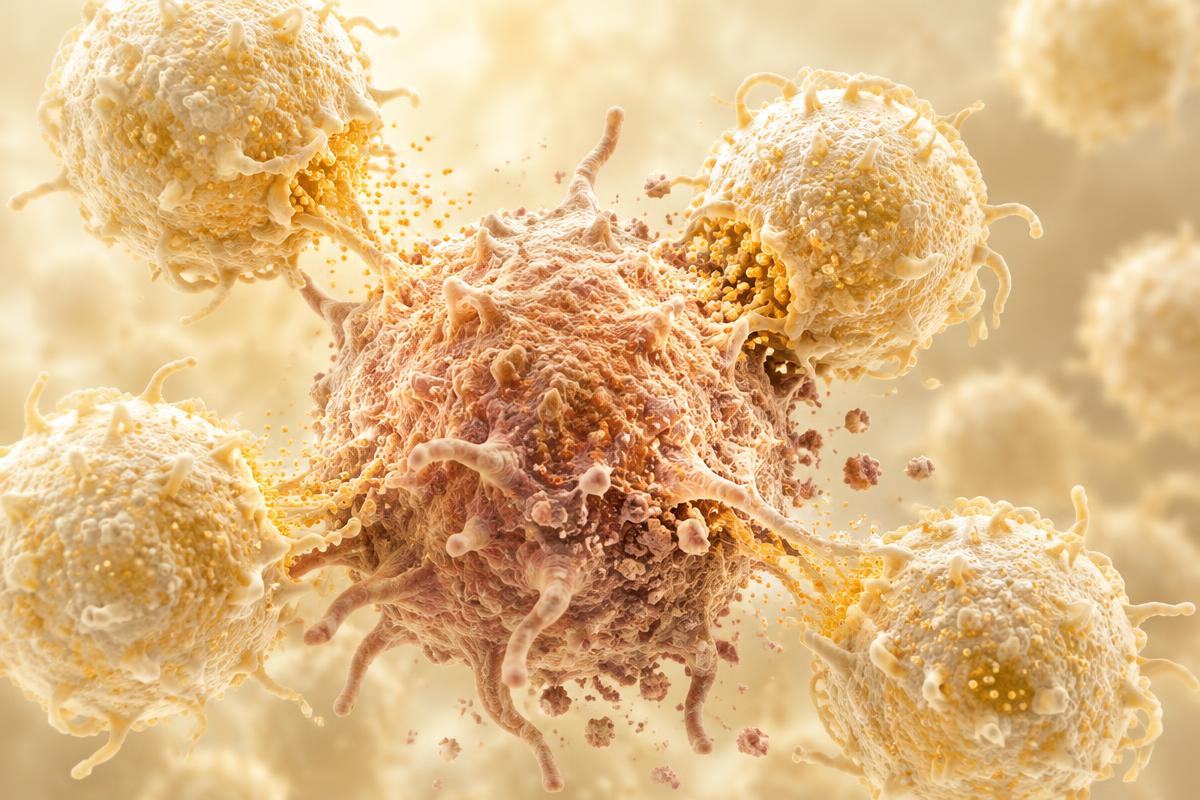
After cancer treatment, many people want to do something to support their own defences. Here is a clear look at NK cell therapy and its realistic role.
Medically reviewed by the Bangkok Stem Cell Center medical team
Picture finishing months of cancer treatment. The scans look clear, but every checkup brings the same quiet fear that it might come back. You've read that the immune system plays a part in keeping cancer in check, and you've come across something called NK cell therapy. This guide explains what it is, honestly.
What are natural killer cells?
Natural killer (NK) cells are white blood cells that form part of the body's first line of defence. Unlike some immune cells, they don't need to be "trained" on a specific target first. They can recognise cells that look stressed or abnormal, including some infected or cancerous cells, and destroy them. Their activity can drop with age, illness and some cancer treatments.
How NK cell therapy works
- A blood sample is taken from the patient (or, in some approaches, from a donor).
- NK cells are separated and multiplied in a controlled laboratory over roughly two to three weeks.
- The expanded cells are given back by IV infusion.
- Engineered versions, such as CAR-NK, are designed to target specific cancers and are mostly still in clinical trials.
At our center this approach is offered as NK and NKT cell immunotherapy. For the wider picture of immune-based cancer treatment, see cancer immunotherapy explained.
What the evidence shows so far
NK cell therapy is an active area of cancer study. Early trials suggest it is generally well tolerated, and some have shown signs of activity, particularly in blood cancers. For most solid tumours, however, it is not yet a proven standard treatment, and results so far come mainly from small studies. It is generally discussed as something to add alongside standard treatment, not to replace surgery, chemotherapy, radiotherapy or approved immunotherapies.
Who asks about it
- People who have completed standard cancer treatment and want to support their immune system.
- People whose cancer team agrees it can be used alongside their current plan.
- Older adults concerned about age-related changes in immune function.
The honest bottom line
NK cell therapy is a promising way to strengthen the body's own defences, but it is not a guaranteed protection against cancer coming back. The best results come from honest expectations, a clinic with proper laboratory standards and clear communication with your oncologist.
Questions to ask a clinician
- Are the cells my own or from a donor, and how are they tested?
- How many cells are given, and over how many sessions?
- How will this be coordinated with my oncologist?
- How will we check whether my immune function has changed?
Frequently asked questions
Short, plain answers to the questions patients ask most — so you can read with clear expectations, not promises.
Is NK cell therapy a cure for cancer?
No. It is a supportive immune treatment, and for most cancers it is still being studied. It does not replace standard cancer care.
Is it the same as CAR-T?
No. CAR-T uses genetically engineered T cells and is approved for certain blood cancers. Standard NK therapy uses expanded natural killer cells without that engineering.
Does it hurt?
It involves a blood draw and later an IV infusion. Most people find both manageable.
What are the side effects?
Studies commonly report mild, short-lived effects such as fever or tiredness. Discuss your own risks with the treating doctor.
Can I have it during chemotherapy?
Only if your oncologist agrees. Timing matters because some treatments affect immune cells.
How long is the process?
Growing the cells usually takes around two to three weeks after the blood draw, followed by one or more infusions.
References
Published studies and medical guidelines this article draws on.
- National Cancer Institute. Natural killer cell (NCI Dictionary of Cancer Terms). cancer.gov, 2025
- National Cancer Institute. Immunotherapy to treat cancer. cancer.gov, 2025
- National Cancer Institute. Recurrent cancer: when cancer comes back. cancer.gov, 2025
Reviewed by Bangkok Stem Cell Center Medical Team | Last updated: October 2026
What Are NKT Cells, and Why Are Cancer Doctors Watching Them?
You have heard of NK cells and T cells. NKT cells sit between them, and researchers are curious about what they might add to cancer care.
NK or NKT Cell Therapy in Bangkok: Which Fits Your Cancer Care?
Two clinics, two similar names, one decision. Here is a side-by-side look at NK and NKT cell therapy for patients considering Bangkok.