
Regenerative Therapy
Plasmapheresis
Therapeutic plasma exchange for detoxification and immune balance.
What is Plasmapheresis?
Plasma exchange protocols supporting detoxification and immune modulation.
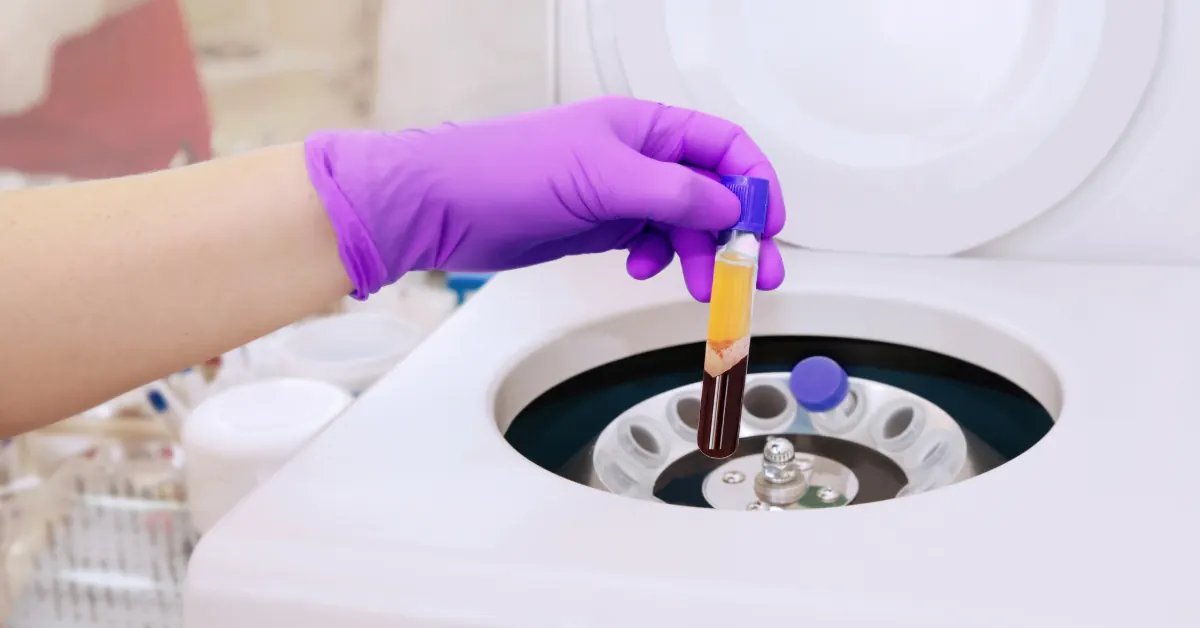
Plasmapheresis separates plasma from your blood cells, removes a measured volume of that plasma along with substances it carries, and returns your cells with a replacement fluid. It is a medical procedure carried out with monitoring throughout, and it is prescribed only where our medical team judges that the potential benefit justifies the intervention.
Key benefits
- 01Removes a measured volume of circulating plasma constituents
- 02Continuous monitoring by clinical staff during the session
- 03Often scheduled as part of a wider program designed by our medical team
- 04Laboratory values reviewed before and after each session
- 05Clear pre-session preparation instructions provided
How it works
The sequence, from first records to follow-up
- 01
Suitability and vascular check
Adequate venous access and stable cardiovascular status are prerequisites. Both are assessed before a session is offered.
- 02
Baseline laboratory panel
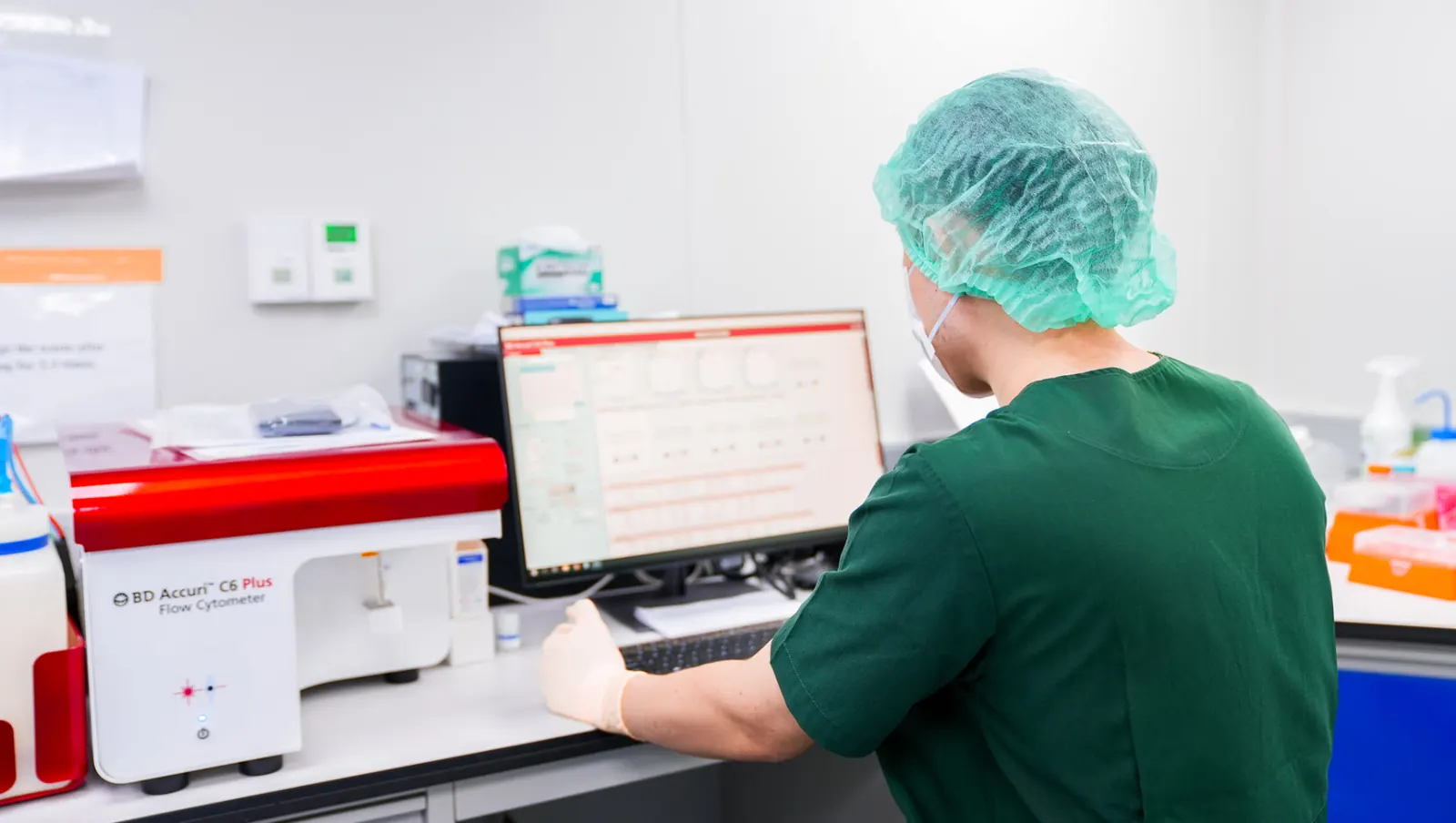
Protein, clotting and electrolyte levels are recorded, since exchange affects all three and they guide replacement fluid choice.
- 03
Exchange session
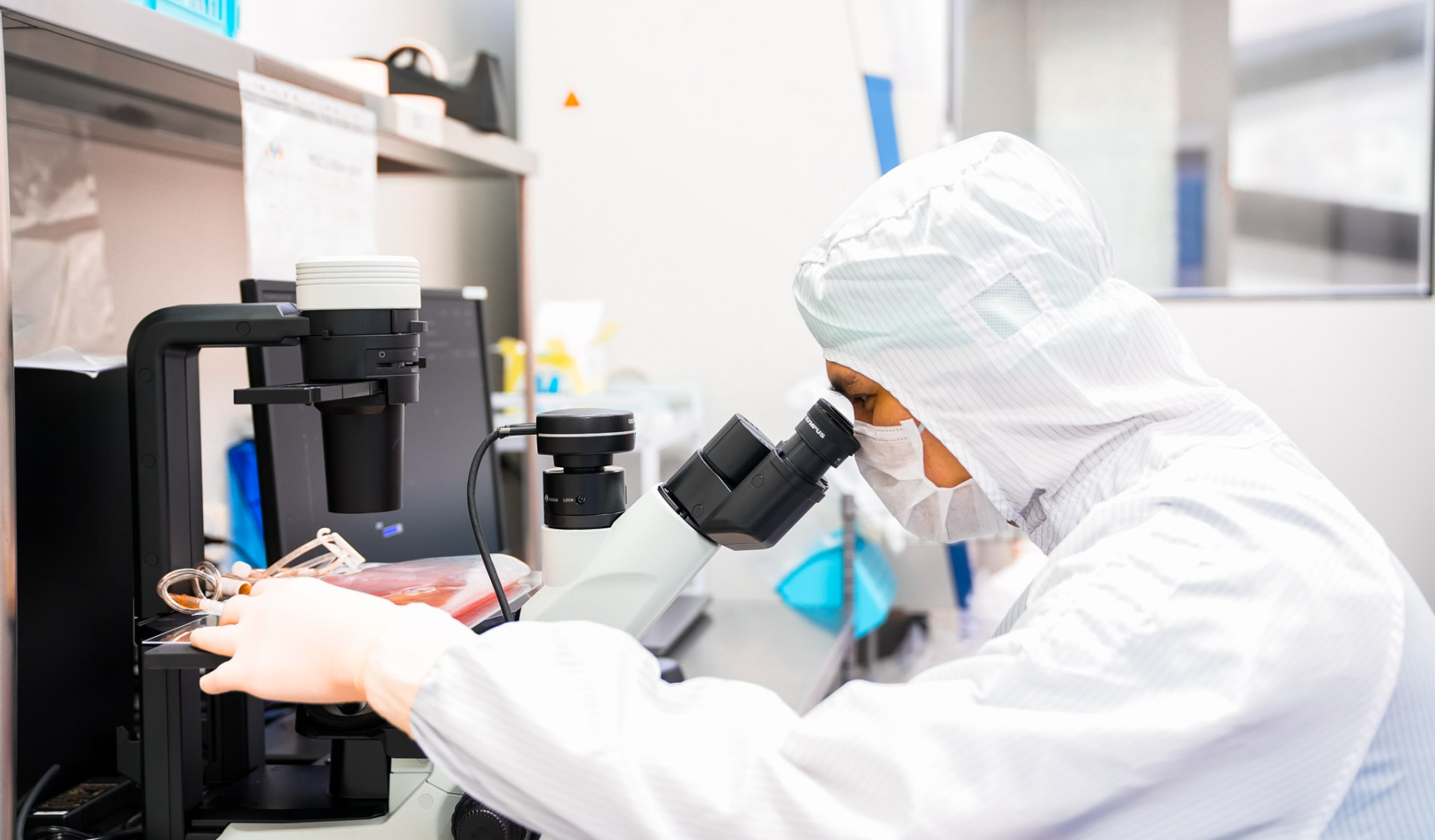
Blood is drawn continuously, plasma is separated and removed, and replacement fluid returns with your cells. A session runs two to three hours.
- 04
Post-exchange monitoring
You stay under observation while blood pressure and calcium are re-checked, then leave the same day.
- 05
Series review
Where a series is planned, sessions are spaced and reassessed rather than run to a fixed count.
What to expect
Before

A full meal beforehand, and calcium supplementation is often prescribed in advance. You will need cannulas in both arms.
During

Tingling around the lips or fingertips is the most common sensation, caused by the anticoagulant binding calcium. It is easily corrected during the session — say something as soon as you feel it.
After
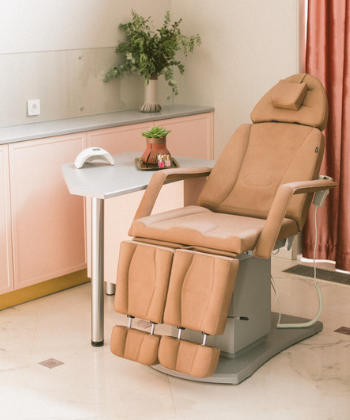
Mild tiredness and occasional lightheadedness on standing for the rest of the day. We ask that you do not drive yourself home.
Therapeutic plasma exchange for detoxification and immune balance.
Plasmapheresis — Questions Patients Ask
Is this the same as blood cleansing or detox?
No, and we avoid that framing. Plasmapheresis is a defined medical procedure that removes plasma along with the large molecules carried in it, and it has specific indications rather than general wellness ones.
What replaces the plasma you remove?
Usually albumin solution, sometimes with saline, depending on volume and your laboratory results. That choice is made per session rather than fixed.
How many sessions are typical?
It depends entirely on the indication. Some patients have a single exchange; immune-driven cases may involve a short series with reassessment between each.
Who should not have plasmapheresis?
Patients with unstable cardiovascular status, active bleeding risk, or poor venous access. We would rather decline than manage a preventable complication.
Is it painful?
Two cannulas are the worst of it. The exchange itself is not painful, though sitting still for three hours has its own demands.
Reviewed by Bangkok Stem Cell Center Medical Team | Last updated: October 2026
Related protocols
 MSC TherapyMedical team-guided stem cell therapy using mesenchymal cells for joint, immune and whole-body recovery.
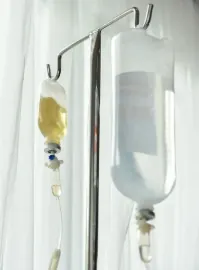 Exosome TherapySignalling-rich exosome protocols, often combined with stem cell therapy, supporting tissue repair, recovery and aesthetics.
 NK & NKT Cell ImmunotherapyNatural killer and NKT cell programs to support immune surveillance, frequently used alongside stem cell protocols.
Next step
Send us your records. We will tell you what is realistic.
A medical team member reads your history before anything is quoted or scheduled. If cellular therapy is unlikely to move your numbers, we say so and point you somewhere more useful.

Mon – Sat
Clinic hours by appointment.