
Regenerative Therapy
Ozone Therapy
Controlled oxidative stimulus for circulation and immune tone.

What is Ozone Therapy?
Medical ozone protocols for circulation, immune tone and inflammation support.
Medical ozone applies a precisely dosed oxidative stimulus, most often by drawing a small volume of blood, mixing it with ozone and reinfusing it. The intention is to nudge the body's own antioxidant and immune systems into a stronger response. Dosing is conservative and always calculated by the treating medical team.

Key benefits
- 01Gentle, precisely dosed oxidative stimulus
- 02Supports circulation and oxygen utilisation
- 03Short sessions that fit easily into a treatment week
- 04Frequently combined with vitamin IV support
- 05Well tolerated when dosed conservatively
How it works
The sequence, from first records to follow-up
- 01
Contraindication screening
G6PD deficiency and hyperthyroidism rule ozone out, so screening happens before scheduling rather than on the day.
- 02
Choosing the method
Major autohaemotherapy, rectal insufflation or localised application all have different indications, and the choice is made against your reason for coming.
- 03
Concentration setting
Ozone is dosed by concentration and volume. We start conservatively and adjust across sessions rather than beginning at a high dose.
- 04
Session
For major autohaemotherapy, blood is drawn, exposed to a measured ozone concentration and reinfused within the same closed circuit. Twenty-five to forty minutes in total.
- 05
Series and reassessment
Ozone is a series therapy. Effect is judged after five to ten sessions, not after the first.
What to expect
Before
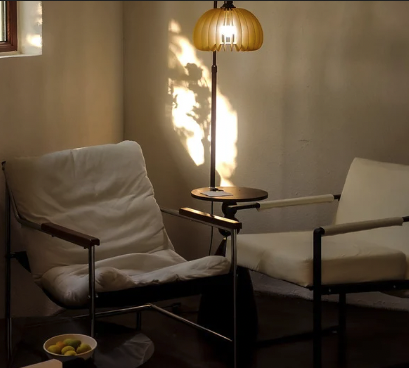
Eat and hydrate normally. If you have never been tested for G6PD deficiency, we test before your first session — it is not optional.
During

The draw and reinfusion are the only sensations of note. Rectal insufflation is brief and produces a short-lived feeling of fullness rather than discomfort.
After
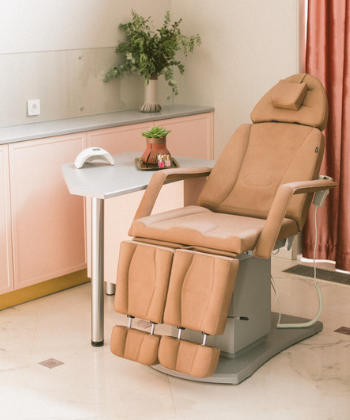
Most patients report feeling clear-headed and slightly energised. A small number feel tired for a few hours, particularly after early sessions.
Controlled oxidative stimulus for circulation and immune tone.
Ozone Therapy — Questions Patients Ask
Is ozone therapy evidence-based?
The evidence is uneven. There is reasonable data for some inflammatory and circulatory applications and very little for the broad claims made elsewhere, and we will tell you which category your case falls into.
Why do you test for G6PD deficiency?
Because ozone exerts oxidative stress, and patients with that deficiency cannot manage it safely. It is a single blood test and it is a hard requirement here.
Can ozone be inhaled?
Never. Ozone is toxic to lung tissue and no legitimate protocol involves breathing it. Any clinic offering inhaled ozone should be avoided.
How many sessions before I know if it helps?
Judge it at session five to ten. If nothing has shifted by then, continuing is difficult to justify and we will suggest something else.
Can I combine ozone with IV antioxidants?
Yes, but not on the same day — high-dose antioxidants directly oppose the oxidative signal ozone creates. We separate them in the schedule.
Reviewed by Bangkok Stem Cell Center Medical Team | Last updated: October 2026
Related protocols
 MSC TherapyMedical team-guided stem cell therapy using mesenchymal cells for joint, immune and whole-body recovery.
 Exosome TherapySignalling-rich exosome protocols, often combined with stem cell therapy, supporting tissue repair, recovery and aesthetics.
 NK & NKT Cell ImmunotherapyNatural killer and NKT cell programs to support immune surveillance, frequently used alongside stem cell protocols.
Next step
Send us your records. We will tell you what is realistic.
A medical team member reads your history before anything is quoted or scheduled. If cellular therapy is unlikely to move your numbers, we say so and point you somewhere more useful.

Mon – Sat
Clinic hours by appointment.