
Regenerative Therapy
EIS (Electro Interstitial Scan)
A three-minute, non-invasive read of tissue and fluid distribution.
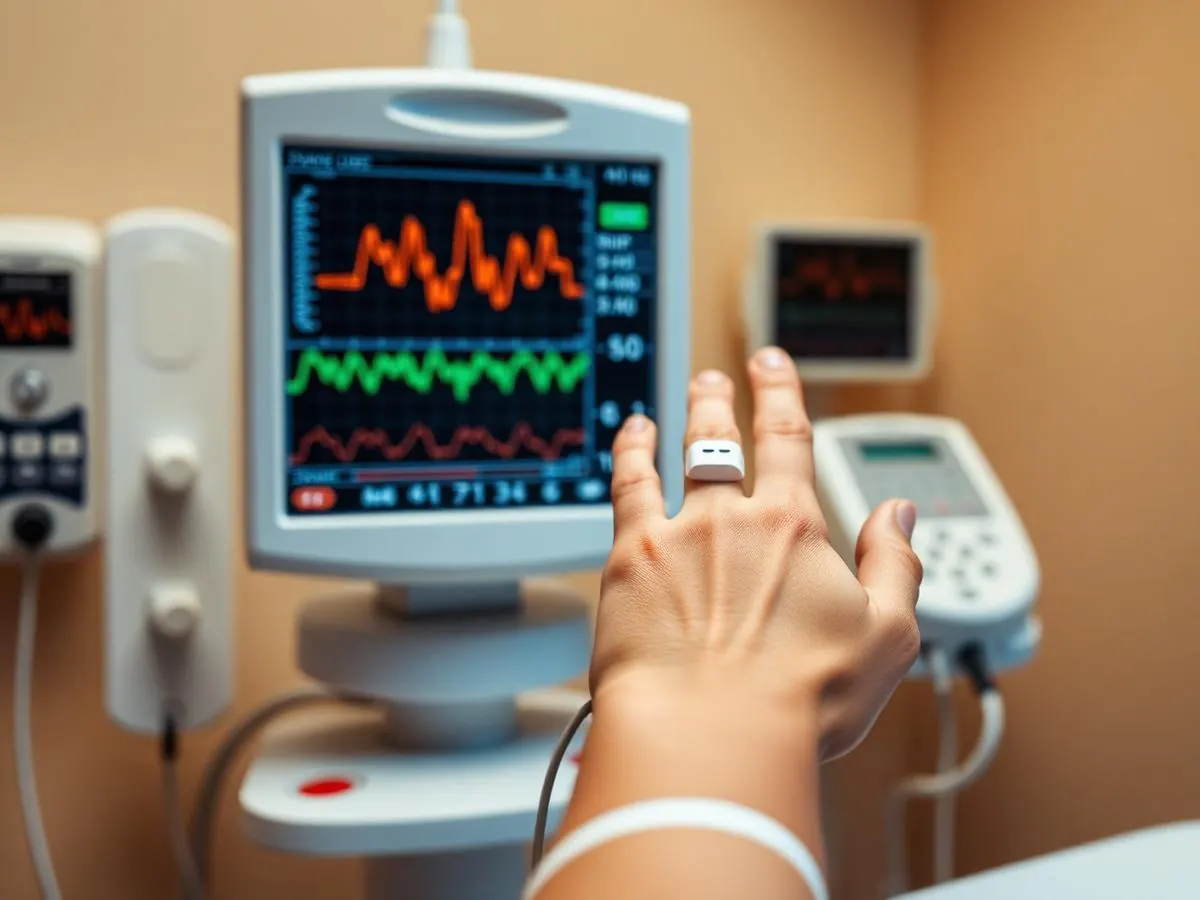
What is EIS (Electro Interstitial Scan)?
Non-invasive bioimpedance screening that maps tissue conductivity and fluid balance.
The electro interstitial scan passes a very low-intensity current between contact electrodes at the hands, feet and forehead, then measures how different tissue compartments resist it. From those readings it builds a segmental picture of fluid distribution, tissue conductivity and autonomic response. It involves no needles, no radiation and no contrast, and it takes minutes. We use it as a signpost and a way of tracking change over a program — never as a diagnosis in itself.
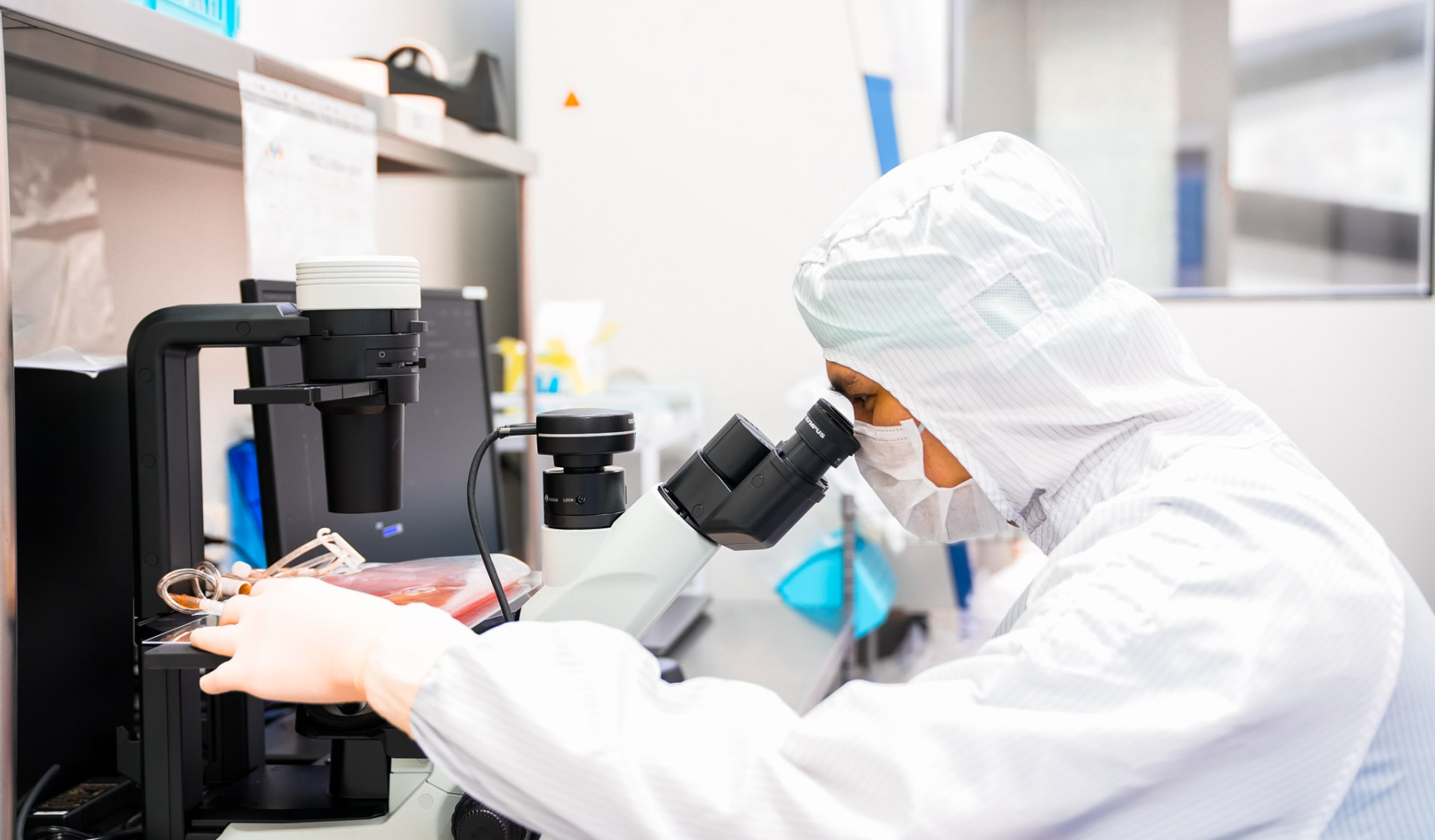
Key benefits
- 01Completely non-invasive, with no radiation or injection
- 02Full scan completed in three to five minutes
- 03Useful as a repeatable baseline for tracking change over a program
- 04Results interpreted by our medical team alongside your bloodwork
- 05Findings that warrant proper investigation are referred, not treated blind
How it works
The sequence, from first records to follow-up
- 01
Preparation
You sit or lie still with six contact electrodes placed at the hands, feet and forehead. No needles, no radiation, no contrast.
- 02
Signal sweep
A very low-intensity current passes between electrode pairs while the system records how different tissue compartments resist it.
- 03
Compartment mapping
The recorded impedance values are mapped into a segmental picture of fluid distribution, tissue conductivity and autonomic response.
- 04
Clinical interpretation
A member of our medical team reads the output alongside your history and bloodwork. On its own the scan is a signpost, not a diagnosis, and we present it that way.
- 05
What happens next
Findings that warrant proper investigation are referred for it. Findings that suggest a direction for your regenerative plan are folded into that plan.
What to expect
Before

Avoid heavy exercise and caffeine for two hours beforehand, and arrive normally hydrated — both change fluid distribution and therefore the readings.
During

Around three to five minutes of sitting still. Most patients feel nothing at all; a very small number notice a faint tingle at the electrodes.
After
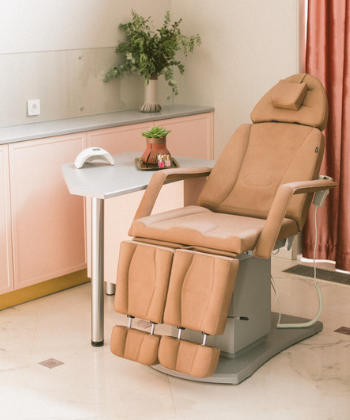
No recovery, no restrictions. Your report is reviewed with you in the same visit rather than emailed later.
A three-minute, non-invasive read of tissue and fluid distribution.
EIS (Electro Interstitial Scan) — Questions Patients Ask
Is this a diagnostic test?
No. It is a screening and monitoring tool. It can flag areas worth investigating and it is genuinely useful for tracking change over time, but a finding here always leads to a proper diagnostic test rather than to treatment.
Is the current safe?
The current is far below the threshold of sensation for most people. It is not recommended for patients with a pacemaker or implanted electrical device, and we screen for that before booking.
How often is it repeated?
Usually at the start of a programme and again at three to six months, because its main value is in comparison against your own earlier scan.
Can it detect cancer?
It cannot, and any clinic suggesting otherwise is overselling it. It measures tissue electrical properties, nothing more.
Reviewed by Bangkok Stem Cell Center Medical Team | Last updated: October 2026
Related protocols
 MSC TherapyMedical team-guided stem cell therapy using mesenchymal cells for joint, immune and whole-body recovery.
 Exosome TherapySignalling-rich exosome protocols, often combined with stem cell therapy, supporting tissue repair, recovery and aesthetics.
 NK & NKT Cell ImmunotherapyNatural killer and NKT cell programs to support immune surveillance, frequently used alongside stem cell protocols.
Next step
Send us your records. We will tell you what is realistic.
A medical team member reads your history before anything is quoted or scheduled. If cellular therapy is unlikely to move your numbers, we say so and point you somewhere more useful.

Mon – Sat
Clinic hours by appointment.