
Regenerative Therapy
EECP (Enhanced External Counterpulsation)
ECG-timed leg compression that supports circulation to the heart.
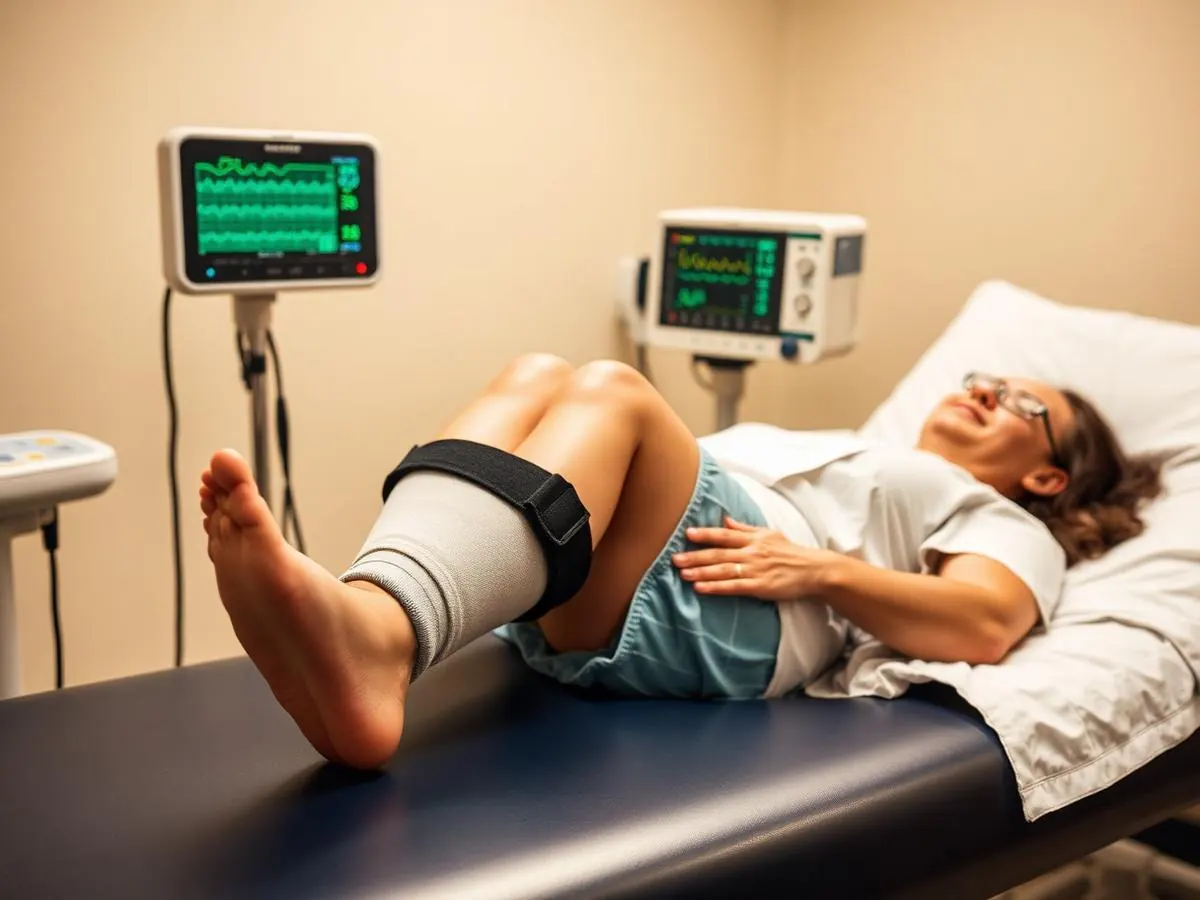
What is EECP (Enhanced External Counterpulsation)?
Non-invasive counterpulsation therapy for circulatory and cardiac symptom support.
EECP uses three pairs of pneumatic cuffs fitted around the calves and thighs, inflating in sequence timed to your ECG. They compress during the relaxation phase of the heartbeat — precisely when the coronary arteries fill — pushing blood back toward the heart, then release just before the next contraction so the heart pushes against less resistance. A standard course is thirty-five one-hour sessions over about seven weeks, and we discuss that commitment honestly before anyone starts.

Key benefits
- 01Entirely non-invasive: no catheter, no incision, no anaesthetic
- 02Inflation timed to your own ECG rhythm throughout each session
- 03Used where symptoms persist despite optimal medication
- 04Progress judged on walking distance and symptom frequency
- 05Cardiac screening completed before the first session
How it works
The sequence, from first records to follow-up
- 01
Cardiac assessment
We review your cardiac history, medication and any recent echocardiogram. Certain valve conditions and arrhythmias rule the therapy out entirely.
- 02
Cuff fitting
Three pairs of pneumatic cuffs are fitted around the calves, lower thighs and upper thighs, and ECG leads are attached so the machine can read your rhythm.
- 03
ECG-timed inflation
Cuffs inflate in sequence from calves upward during diastole, pushing blood back toward the heart, then release just before the next contraction.
- 04
Daily sessions
A standard course is thirty-five one-hour sessions over roughly seven weeks. The schedule is demanding, and we discuss that honestly before starting.
- 05
Functional review
Progress is judged on walking distance, symptom frequency and medication use rather than on how the sessions felt.
What to expect
Before

Empty your bladder, wear close-fitting leggings or cycling shorts, and avoid a heavy meal in the preceding hour.
During

A strong, rhythmic squeezing that travels up the legs with each heartbeat. Unfamiliar for the first two or three sessions, then most patients find it easy to tolerate.
After
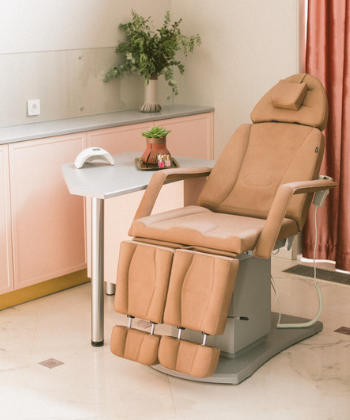
Legs can feel tired or occasionally lightly bruised early in the course. That settles as tissue adapts over the first week or two.
ECG-timed leg compression that supports circulation to the heart.
EECP (Enhanced External Counterpulsation) — Questions Patients Ask
How can squeezing my legs help my heart?
The cuffs inflate during the relaxation phase of the heartbeat, when the coronary arteries actually fill. That raises diastolic pressure and increases flow to heart muscle, while deflation just before the next beat reduces the work of the next contraction.
Is it a substitute for stenting or bypass?
No. It is used for patients who remain symptomatic despite optimal medication, or who are not candidates for intervention. Anyone with an untreated critical lesion belongs with a cardiologist first.
Why thirty-five sessions?
That is the course length used in the published protocols, and shorter courses have not shown the same durability. We would rather you decline than start a course you cannot finish.
Who cannot have EECP?
Significant aortic regurgitation, uncontrolled arrhythmia, deep vein thrombosis, severe peripheral arterial disease and pregnancy are all exclusions. Screening covers each of these.
Reviewed by Bangkok Stem Cell Center Medical Team | Last updated: October 2026
Related protocols
 MSC TherapyMedical team-guided stem cell therapy using mesenchymal cells for joint, immune and whole-body recovery.
 Exosome TherapySignalling-rich exosome protocols, often combined with stem cell therapy, supporting tissue repair, recovery and aesthetics.
 NK & NKT Cell ImmunotherapyNatural killer and NKT cell programs to support immune surveillance, frequently used alongside stem cell protocols.
Next step
Send us your records. We will tell you what is realistic.
A medical team member reads your history before anything is quoted or scheduled. If cellular therapy is unlikely to move your numbers, we say so and point you somewhere more useful.

Mon – Sat
Clinic hours by appointment.