
Why Stem Cell Therapy Has Become So Popular
2026-09-14 · 7 min read
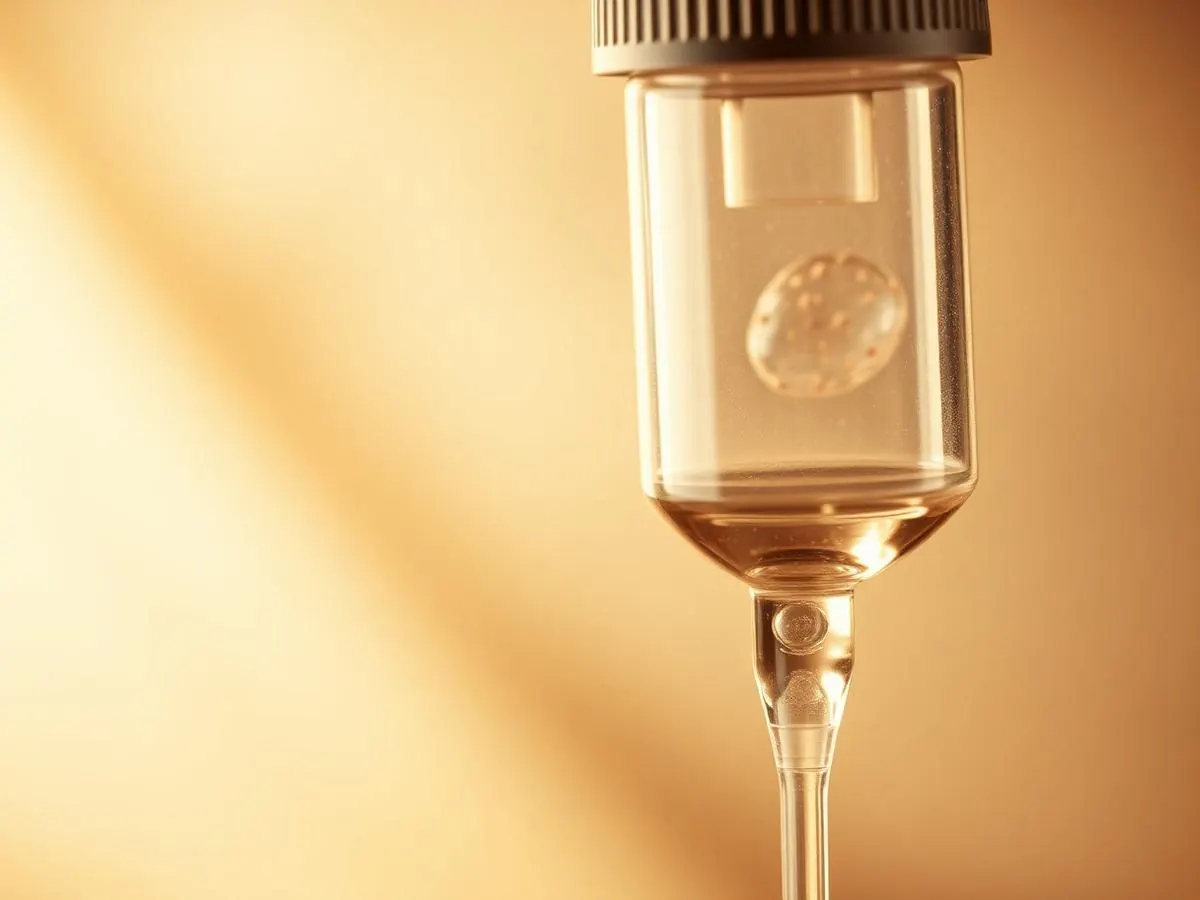
Stem cell therapy is everywhere. Here is why the topic has exploded, what is driving patient interest, and how to separate genuine progress from marketing noise.
Medically reviewed by the Bangkok Stem Cell Center medical team
Ten years ago, stem cell therapy was discussed mainly in university laboratories and specialist conferences. Today it appears in podcasts, social media feeds, clinic websites and mainstream health reporting. The trend is real, but it is driven by several separate forces — some medical, some demographic, some cultural. Understanding them makes it easier to decide what is worth paying attention to.
An ageing world runs out of easy fixes
The simplest driver is demographics. Populations across Asia, Europe and North America are ageing, and age-related conditions — osteoarthritis, degenerative disc disease, metabolic syndrome, immune dysregulation — are becoming more common. Conventional medicine handles acute problems brilliantly but is often less satisfying for chronic, gradual breakdown.
When a patient has been told their knee will eventually need replacement, or that their autoimmune condition can only be managed, the idea of biological repair becomes attractive. Stem cell therapy promises to address the process rather than just mask the symptom, which is exactly what many patients are looking for.
Surgical fatigue has set in
Surgery remains essential for many conditions, but patients and doctors alike are more aware of its limitations. Joint replacements are major operations with real recovery time and finite lifespan. Repeated spinal surgeries do not always help. Many people would prefer to try something less invasive before committing to a procedure that removes or replaces tissue.
Regenerative options, including cellular therapy, platelet-rich plasma and exosome-based treatments, fit that preference. They are usually delivered by injection or infusion, involve little downtime, and preserve the option of surgery later. That profile appeals to patients who want to exhaust conservative options first.
The science has genuinely advanced
Part of the trend is not hype. Cell biology has moved forward substantially. Researchers understand more about how adult mesenchymal cells influence inflammation, how to culture cells under stricter quality standards, and how to characterise a cell product before it is used. Manufacturing has become more reproducible, which makes clinical use more plausible.
At the same time, approved stem-cell-based treatments have entered routine medicine. CAR-T cell therapy for certain blood cancers is the most prominent example. Bone marrow transplantation has been standard for decades. These successes make the field feel concrete rather than speculative, even though many other applications are still early.
Media and celebrity amplification
Visibility drives interest. High-profile athletes have publicly used platelet and cellular treatments to recover from injuries. Business figures have travelled abroad for anti-ageing protocols. Documentaries and news segments show laboratories growing organs or reversing paralysis in animal models. Each story makes the field feel closer than it often is.
The problem is that media coverage tends to compress a decade of research into a single breakthrough headline. A promising phase-one trial in twelve patients becomes 'stem cells cure blindness.' That distortion raises expectations and makes it harder for patients to evaluate what is actually available now.
The wellness and longevity movement
Stem cell therapy has also been adopted by the broader longevity industry. IV infusions, exosome facials and cellular protocols are marketed alongside NAD+, peptides, hormone optimisation and metabolic health programs. The framing is often about slowing ageing or restoring vitality rather than treating a named disease.
Some of these applications have plausible biology; many have weak or preliminary evidence. The trend is real, but the quality varies enormously. A patient interested in longevity should ask what is being measured, what the baseline is, and what would count as proof that the intervention worked.
Medical tourism has made it accessible
In countries where regulation is permissive, clinics offer cellular therapy to international patients who cannot access it at home. That has created a visible market, especially in places with strong medical tourism infrastructure. Patients fly in for a multi-day program, combine treatment with travel, and return home with records in English.
Accessibility is genuinely valuable for some patients, but it also creates risks. Standards differ between countries and between clinics. A facility that markets aggressively is not necessarily one that processes cells carefully. The trend toward travel has made the field more visible, not automatically more reliable.
What the trend gets right and wrong
The trend is right about the underlying biology. Stem cells are a real mechanism of repair, and in specific diseases the results have been transformative. It is wrong when it implies that most chronic conditions already have proven stem cell cures. Many applications are experimental, and the evidence is uneven.
The most useful response to the trend is not automatic enthusiasm or automatic dismissal. It is to ask specific questions. What cell type? What route of delivery? What evidence for this exact condition? Who processed the cells and under what standard? What does the regulator say? A clinic that answers those questions clearly is usually a better sign than one that relies on buzzwords.
How to read the field honestly
- Distinguish between approved treatments, well-studied applications, and experimental offerings
- Be sceptical of cures for conditions that mainstream medicine still finds difficult
- Ask for cell source, count, viability and processing documentation
- Check whether the treating physician is licensed and whether the facility is regulated
- Understand that visible popularity does not equal proven effectiveness
Stem cell therapy is trending because it sits at the intersection of real science, unmet medical need, media fascination and consumer desire for less invasive options. That makes it one of the most interesting fields in medicine, and also one of the most easily oversold. The task for patients is to move past the headline and look at the specifics.
Reviewed by Bangkok Stem Cell Center Medical Team | Last updated: October 2026
Travelling to Bangkok During Cancer Treatment: A Medical Planning Checklist
Travel during cancer treatment requires more than a flight and hotel. This checklist helps patients coordinate records, medicines, safety and follow-up before leaving home.
Considering Cancer Immunotherapy in Bangkok? Questions to Ask Before You Travel
The word immunotherapy covers very different treatments. Before travelling, establish exactly what is proposed, why it fits the diagnosis, and who will manage complications.