
Stem Cell IV Therapy: What Happens in the Drip Chair
2026-10-19 · 6 min read
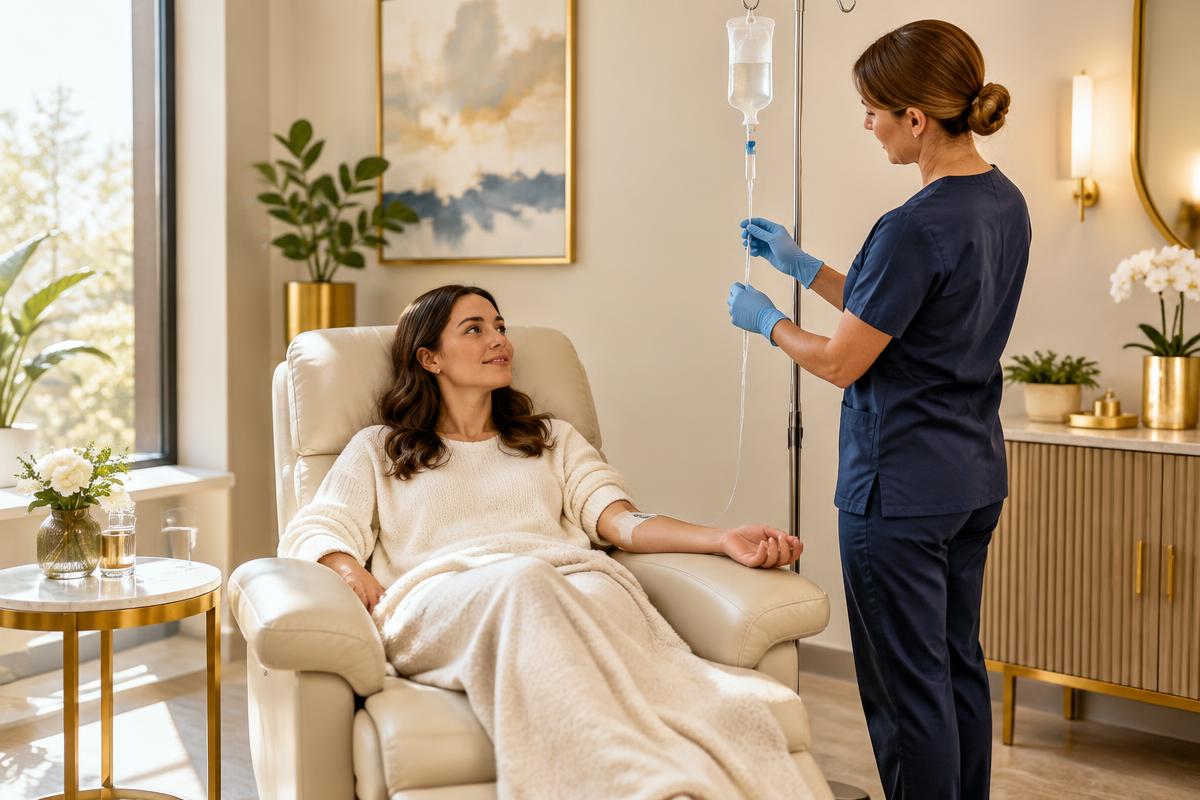
Not knowing what will happen is often the scariest part. Here is a calm, step-by-step look at stem cell IV therapy, from preparation to the hours after.
Medically reviewed by the Bangkok Stem Cell Center medical team
Imagine you have booked a consultation, and the word you keep hearing is "IV". You have no idea whether that means an hour or a whole day, whether it hurts, or what's actually in the bag. Stem cell IV therapy simply means cells are given through a drip into a vein. This article explains the process step by step, so you know what to expect and what to ask.
What is stem cell IV therapy?
In most clinics, the cells used are mesenchymal stromal cells (MSCs), often taken from donated umbilical cord tissue and grown in a laboratory. Given into a vein, they travel through the bloodstream. Rather than replacing tissue, they are thought to work mainly by releasing signals that influence inflammation and repair. That is why IV treatment is usually discussed for conditions that affect the whole body rather than a single joint.
IV versus local injection
- IV infusion: cells go into the bloodstream, used when the goal is a body-wide effect, such as autoimmune or inflammatory conditions.
- Local injection: cells go directly into a knee, shoulder or other area, used for a specific joint or tendon problem.
- Some treatment plans combine both. The right choice depends on your diagnosis, not on what sounds more advanced.
What happens on the day of stem cell IV therapy
- A short health check: blood pressure, temperature and a review of your medicines.
- A small cannula is placed in a vein in your arm, much like a routine blood test.
- The infusion usually runs for about an hour while you rest in a reclining chair.
- Nurses monitor you during and after, and you normally go back to your hotel or home the same day.
Side effects to know about
Reported side effects in studies are usually mild and short-lived, such as tiredness, a mild fever or headache the next day. Serious problems are uncommon when cells are properly prepared and tested, but they are more likely with poorly controlled products. The U.S. FDA has warned consumers about unapproved products sold with big claims, which is why lab standards matter so much.
The honest bottom line
The stem cell IV therapy process itself is simple and usually comfortable. The more important questions are whether this treatment suits your condition, and whether the cells meet proper quality standards. For more on outcomes, read does stem cell therapy work.
Questions to ask a clinician
- Where do the cells come from, and how are they tested for safety?
- Why is IV the right route for my condition?
- How many sessions do you suggest, and why?
- Who monitors me afterwards, and how do I reach them?
Frequently asked questions
Short, plain answers to the questions patients ask most — so you can read with clear expectations, not promises.
Does a stem cell IV hurt?
Most people feel only the small pinch of the cannula, similar to a blood test. The infusion itself is usually painless.
How long does it take?
The infusion itself is often around an hour, plus time for checks before and after.
Can I go out the same day?
Usually yes, with light activity. Your care team will give specific advice for your case.
Is IV better than an injection into the joint?
Neither is better overall. They serve different goals. Joint problems often use local injection, while body-wide conditions use IV.
How many sessions will I need?
It depends on the condition and the treatment plan. Ask the clinic to explain their reasoning.
Is it the same as an NAD+ or vitamin drip?
No. Those drips contain nutrients or other compounds. A stem cell IV contains living cells and needs strict laboratory handling.
References
Published studies and medical guidelines this article draws on.
- U.S. Food and Drug Administration. Consumer alert on regenerative medicine products including stem cells and exosomes. fda.gov, 2025
- International Society for Stem Cell Research. Guidelines for stem cell research and clinical translation. isscr.org, 2021
- International Society for Stem Cell Research. A Closer Look at Stem Cells: patient resources. closerlookatstemcells.org, 2025
Reviewed by Bangkok Stem Cell Center Medical Team | Last updated: October 2026
What Are NKT Cells, and Why Are Cancer Doctors Watching Them?
You have heard of NK cells and T cells. NKT cells sit between them, and researchers are curious about what they might add to cancer care.
NK or NKT Cell Therapy in Bangkok: Which Fits Your Cancer Care?
Two clinics, two similar names, one decision. Here is a side-by-side look at NK and NKT cell therapy for patients considering Bangkok.