
Exosomes: Real Science or Just Hype?
2026-10-02 · 7 min read
Exosomes are in serums, facials, joint injections and IV drips — often described as "stem cell power without the cells". Some of that is grounded in real biology. Much of it runs far ahead of it.
Medically reviewed by the Bangkok Stem Cell Center medical team
If you have searched exosome therapy recently, you have probably met two very different worlds: serious scientific papers on cell communication, and glossy adverts promising renewal for almost anything. It is hard to tell where one ends and the other begins. This guide separates them.
What exosomes actually are
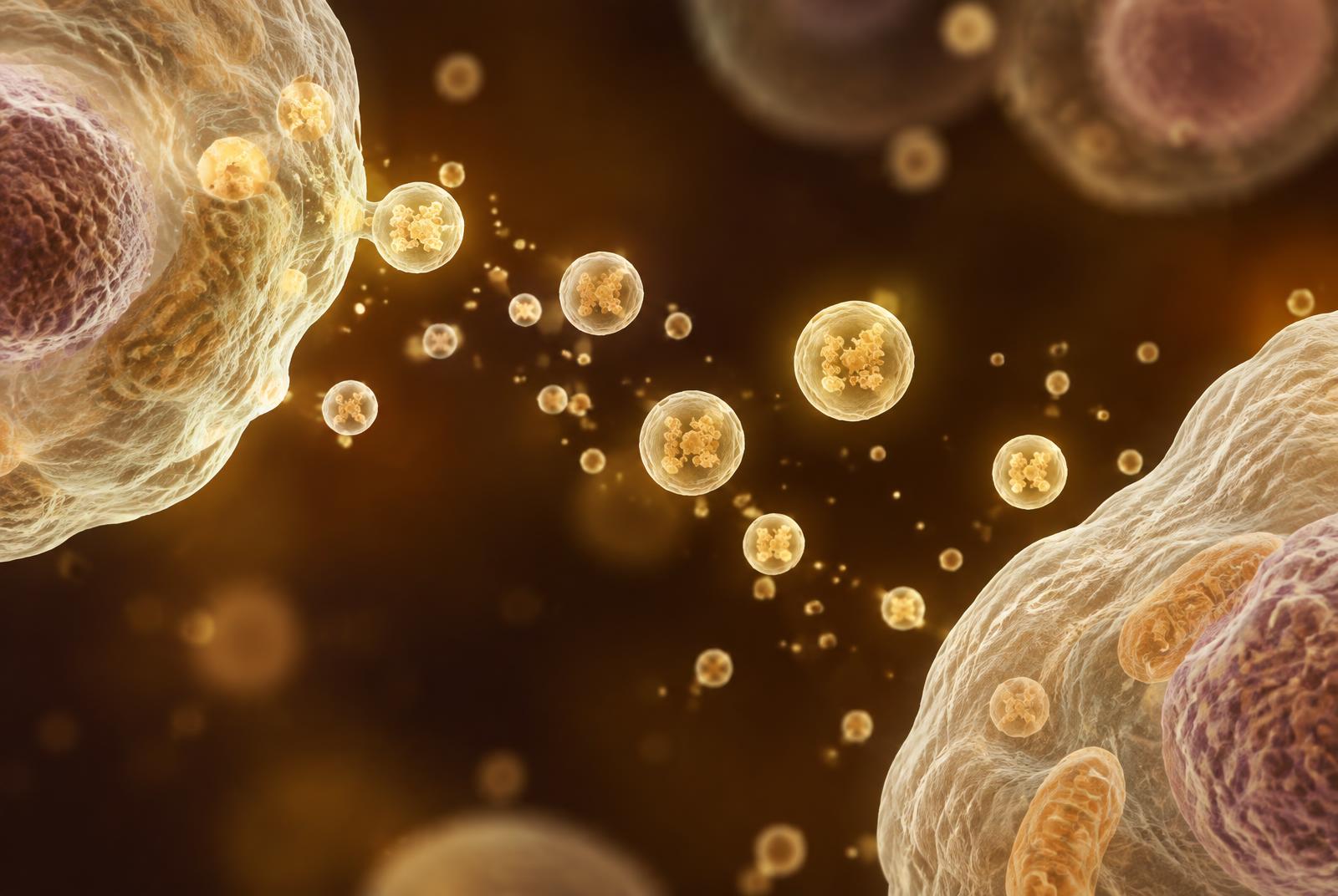
Exosomes are tiny bubbles, far smaller than a cell, that cells release to carry proteins, fats and genetic messages to other cells. Scientists now see them as part of how the body communicates normally — and how diseases such as cancer can spread signals.
Why exosome therapy interests researchers
Much of the benefit seen with mesenchymal stromal cells in the lab seems to come from the signals they release rather than the cells themselves. Exosomes could, in theory, deliver some of those signals without transplanting living cells, and could even be engineered to carry medicines. That is a genuinely exciting research direction.
Where exosome therapy hype outruns the evidence
- Most supporting data come from laboratory and animal studies, not large human trials.
- Products vary hugely in source, purity and dose, and many are poorly characterised.
- Claims for hair, skin, joints and chronic disease often rely on small or uncontrolled reports.
- No exosome product is broadly approved as a standard treatment for these uses.
Exosome therapy compared with cell-based therapy
Exosomes cannot divide or settle in tissue like cells, which may reduce some risks but also means effects could be shorter-lived. Whether they match, exceed or fall short of cell-based treatments for any condition has not been established in head-to-head human trials.
Questions to ask before trying exosome therapy
- What cells were the exosomes derived from, and how were they purified?
- How is each batch tested for sterility and contaminants?
- What human evidence exists for my specific condition?
- How is the dose measured, and why that dose?
The honest bottom line on exosome therapy
Exosomes are real, important biology and a promising research tool. As treatments, they remain early-stage. Be curious about the science, and cautious about anyone selling certainty.
Frequently asked questions
Short, plain answers to the questions patients ask most — so you can read with clear expectations, not promises.
Are exosomes the same as stem cells?
No. Exosomes are tiny packages released by cells; they contain no living cell and cannot divide.
Is exosome therapy FDA-approved?
No exosome product is currently approved in the United States for the cosmetic, joint or chronic-disease uses commonly advertised.
Do exosome skin treatments work?
Evidence for cosmetic exosome products is limited and mostly small-scale. Results vary and long-term data are lacking.
Are exosomes safe?
Safety depends on source, purification and testing. Poorly made products may carry contamination risks.
How long do exosome effects last?
This is not well established. Because exosomes do not persist like cells, effects may be temporary.
Could exosomes become a mainstream treatment?
Possibly in future. Researchers are working on standardised production and controlled trials, which are needed before firm claims can be made.
References
Published studies and medical guidelines this article draws on.
- Kalluri R, LeBleu VS. The biology, function, and biomedical applications of exosomes. Science, 2020
- International Society for Stem Cell Research. Guidelines for stem cell research and clinical translation. isscr.org, 2021
- International Society for Stem Cell Research. A Closer Look at Stem Cells: patient resources. closerlookatstemcells.org, 2025
- Turner L, Knoepfler P. Selling stem cells in the USA: assessing the direct-to-consumer industry. Cell Stem Cell, 2016
Reviewed by Bangkok Stem Cell Center Medical Team | Last updated: October 2026
Autism Progress Feels Slow? Your Treatment Options, Honestly
Months of therapy, and the milestones still feel far away. Before you chase the next promised breakthrough, here is a calm map of what autism treatment options actually do.
Hands That Tingle or Go Numb? Neuropathy Treatment Options, Explained
Burning feet at night. Buttons that slip out of numb fingers. Nerve pain rarely announces itself politely — and the internet answers with everything from vitamin B12 to stem cells. Here is the honest map.