Autism and Inflammation: What the Science Actually Shows
2026-09-19 · 8 min read
Research has found signs of immune activity in some autistic people. Here is what that means, what it doesn't, and why it is so often misunderstood.
Medically reviewed by the Bangkok Stem Cell Center medical team
Over the past twenty years, researchers have found links between the immune system and autism. That research is real and important, but it is often oversimplified online into claims that autism 'is' inflammation or can be cured by reducing it. This article explains what the science shows and where uncertainty remains.
What researchers have observed
- Some studies find altered levels of inflammatory signalling molecules (cytokines) in the blood of some autistic children
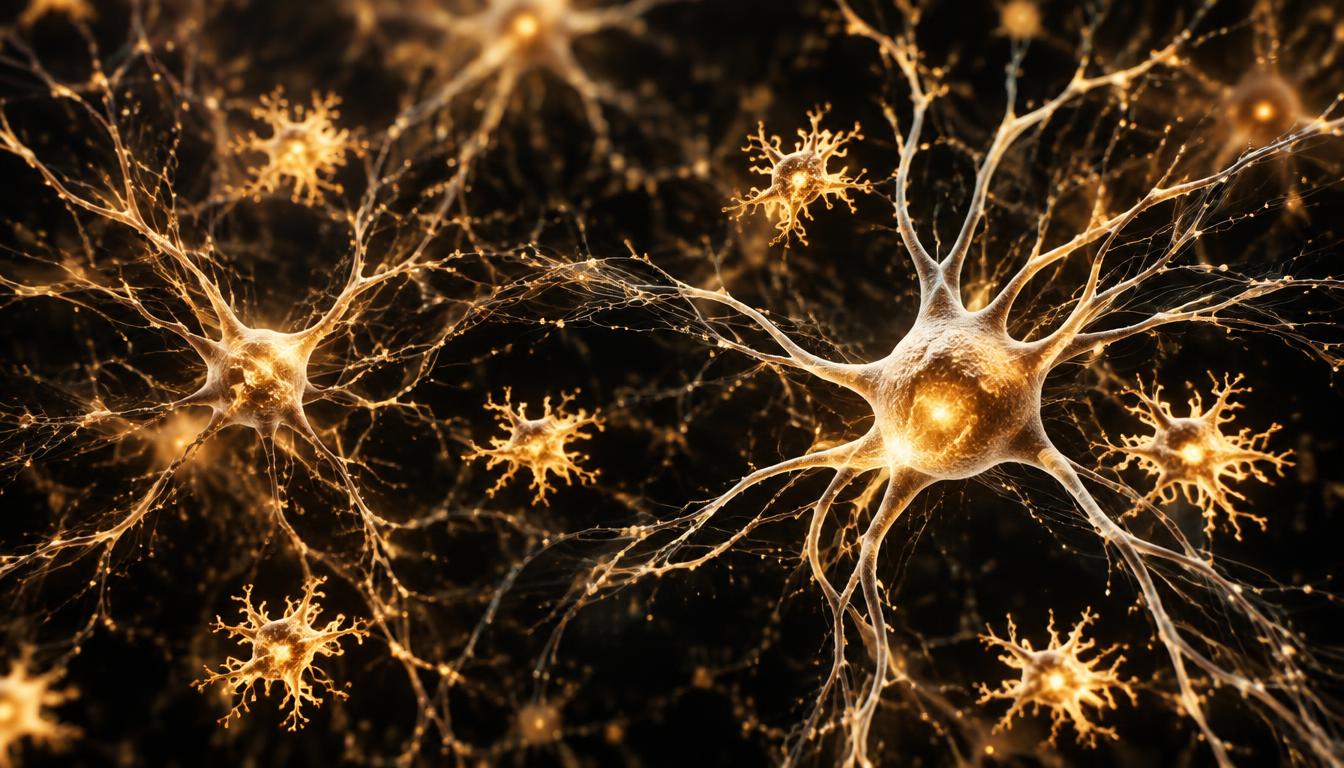
- Post-mortem brain studies have found activated microglia — the brain's resident immune cells — in some autistic individuals
- Autoimmune conditions appear somewhat more often in families of autistic people
- Gastrointestinal symptoms are more common in autistic children, and some research explores links with gut bacteria and immune activity
The prenatal immune link
One of the most studied ideas is maternal immune activation. Research suggests that strong immune activation during pregnancy — for example from a severe infection or high fever — may slightly influence brain development in the baby. Animal studies support this mechanism. Importantly, this is one factor among many, and the overall increase in likelihood is modest. Most children exposed to infections in pregnancy are not autistic.
What microglia do
Microglia are not only defenders. During development they help prune and shape connections between nerve cells. If their activity is altered, it could in theory influence how brain networks form. This is an active area of research, not a settled explanation.
What this does not mean
- It does not mean autism is caused by inflammation — genetics play a major role
- It does not mean every autistic person has inflammation; findings vary widely between individuals
- It does not mean vaccines cause autism — large studies have consistently found no link
- It does not mean anti-inflammatory diets or supplements cure autism
Why the research still matters
Autism is highly diverse. Researchers increasingly think there may be subgroups, and immune differences could be relevant for some of them. Understanding this may eventually help explain why certain children have co-occurring problems such as gut symptoms, sleep difficulties or periods of worsening behaviour during illness — and how to support them better.
Practical takeaways for families
- Take physical symptoms seriously — pain, constipation or poor sleep can affect behaviour and deserve medical attention
- Be cautious of any product promising to 'reverse' autism by reducing inflammation
- Ask your doctor about testing only when there is a clear medical reason
- Evidence-based developmental, speech and occupational therapies remain the foundation of support
The honest bottom line
The link between autism and the immune system is real and scientifically interesting, but it is one part of a complex picture that is still being understood. Honest science means holding two ideas at once: inflammation may matter for some autistic people, and it is not the whole story.
Reviewed by Bangkok Stem Cell Center Medical Team | Last updated: October 2026
Travelling to Bangkok During Cancer Treatment: A Medical Planning Checklist
Travel during cancer treatment requires more than a flight and hotel. This checklist helps patients coordinate records, medicines, safety and follow-up before leaving home.
Considering Cancer Immunotherapy in Bangkok? Questions to Ask Before You Travel
The word immunotherapy covers very different treatments. Before travelling, establish exactly what is proposed, why it fits the diagnosis, and who will manage complications.