
Why International Patients Travel to Thailand for Stem Cell Treatment
2026-09-15 · 7 min read
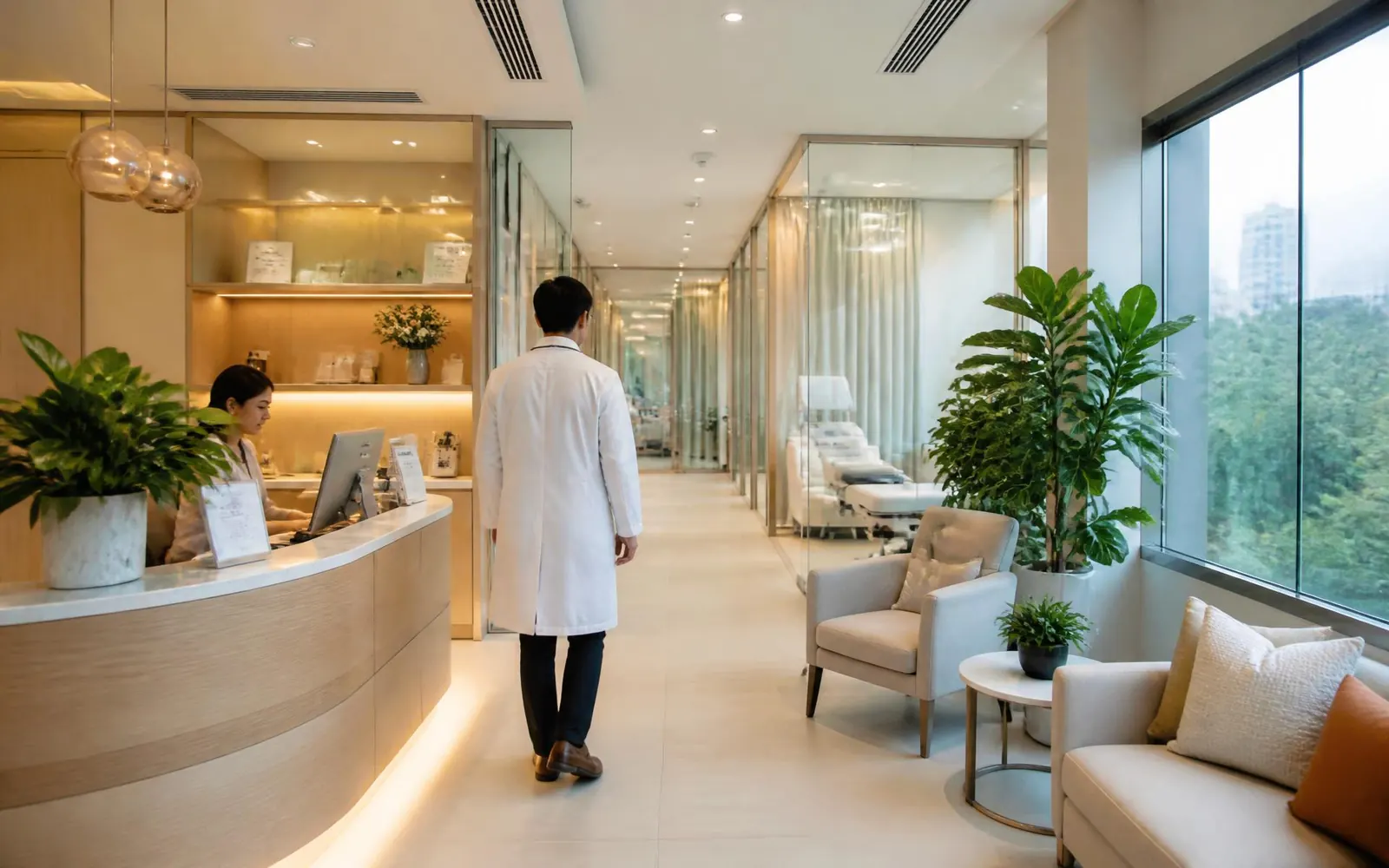
Thailand has become one of the most popular destinations for stem cell therapy. Here is why patients make the trip and what they should check first.
Medically reviewed by the Bangkok Stem Cell Center medical team
Thailand receives millions of medical tourists each year, and an increasing share of them are seeking regenerative treatments such as mesenchymal stem cell therapy, exosome therapy, immune-cell therapies and longevity protocols. The reasons go beyond cost. Patients choose Thailand because of its medical infrastructure, physician experience, ease of travel and the ability to combine treatment with recovery in a supportive environment.
A mature medical tourism ecosystem
Thailand has been welcoming international patients for decades. Major hospitals have dedicated international departments, multilingual coordinators, direct billing experience and established relationships with embassies and insurers. That infrastructure extends to specialised clinics and outpatient centres, which can arrange airport transfers, accommodation near the facility, translation of records and remote follow-up.
For patients travelling for a multi-day outpatient program, this matters. A clinic that understands how to manage foreign patients will handle details that a local patient might take for granted: appointment timing around jet lag, dietary preferences, medication timing across time zones, and clear discharge paperwork for the flight home.
Physician training and clinical volume
Thai physicians often train abroad or in internationally affiliated programmes, and many speak fluent English. In regenerative medicine specifically, some Bangkok clinics treat a high volume of international cases, which means their teams are familiar with the questions, concerns and follow-up needs that come with cross-border care.
High volume is not the same as high quality, but it does mean the clinic has had to develop systems for patient coordination, record keeping and complication management. Those systems are part of what patients are paying for.
Regulatory access
Thailand's regulatory framework allows certain cellular therapies to be offered clinically in ways that are more restricted in some Western countries. For patients who have exhausted options at home, or who live in places where these therapies are not available, that access can be meaningful.
The trade-off is that patients must do more of their own due diligence. A permissive environment helps legitimate clinics operate, but it also allows less rigorous operators to market aggressively. The presence of a treatment in Thailand does not automatically mean every provider offers it to the same standard.
Cost and value considerations
Treatment in Thailand is often less expensive than equivalent programs in North America, Europe or Australia, even after adding flights and accommodation. Part of this reflects lower local costs for facilities, staff and laboratory operations. Part of it reflects differences in regulatory and insurance overhead.
However, the lowest price should not be the deciding factor. The real value lies in receiving a properly assessed, well-documented program from a qualified team. A slightly higher fee at a transparent, accredited clinic is usually a better investment than a bargain package at a facility that cannot explain its laboratory process.
Travel and recovery logistics
Bangkok is a major aviation hub with direct flights from most regions. Visas are straightforward for many nationalities, and the city offers accommodation at every price point. For patients who need several days of outpatient visits, staying nearby in a serviced apartment or hotel with kitchen facilities can make recovery easier.
Many patients also appreciate the psychological benefit of being away from home during treatment. The trip becomes a defined event, with fewer daily obligations and more space to focus on rest. That should not replace medical reasoning, but it is a real part of why people choose medical travel.
What to verify before you book
- Accreditation of the hospital or clinic, and the laboratory specifically
- The name and credentials of the physician who will review your case
- Whether the cell product is processed on-site or purchased from a third party
- What is included in the quoted price and what is extra
- How follow-up is handled once you return home
- Whether the clinic has experience with your specific condition
The honest bottom line
Thailand is a sensible destination for well-informed patients seeking regenerative therapy, but geography is not a substitute for quality. The same due diligence you would apply in your home country applies here, and possibly more so because you are crossing borders for care.
Choose a clinic for its transparency, laboratory standards and physician oversight, not its location or its marketing. The patients who have the best experience are the ones who treated the decision as a medical one first and a travel decision second.
This article is general educational information for international patients and is not a substitute for personalised medical advice. Speak with a licensed physician about whether travelling for stem cell therapy is appropriate for your condition.
Reviewed by Bangkok Stem Cell Center Medical Team | Last updated: October 2026
Travelling to Bangkok During Cancer Treatment: A Medical Planning Checklist
Travel during cancer treatment requires more than a flight and hotel. This checklist helps patients coordinate records, medicines, safety and follow-up before leaving home.
Considering Cancer Immunotherapy in Bangkok? Questions to Ask Before You Travel
The word immunotherapy covers very different treatments. Before travelling, establish exactly what is proposed, why it fits the diagnosis, and who will manage complications.