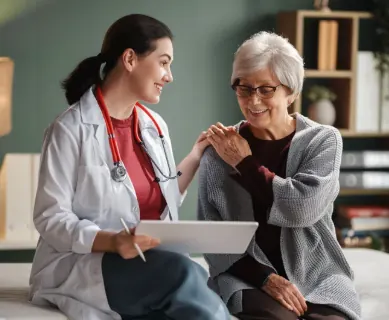
Exhausted After Chemo? How Immune Support Fits Into Cancer Recovery
2026-11-12 · 6 min read
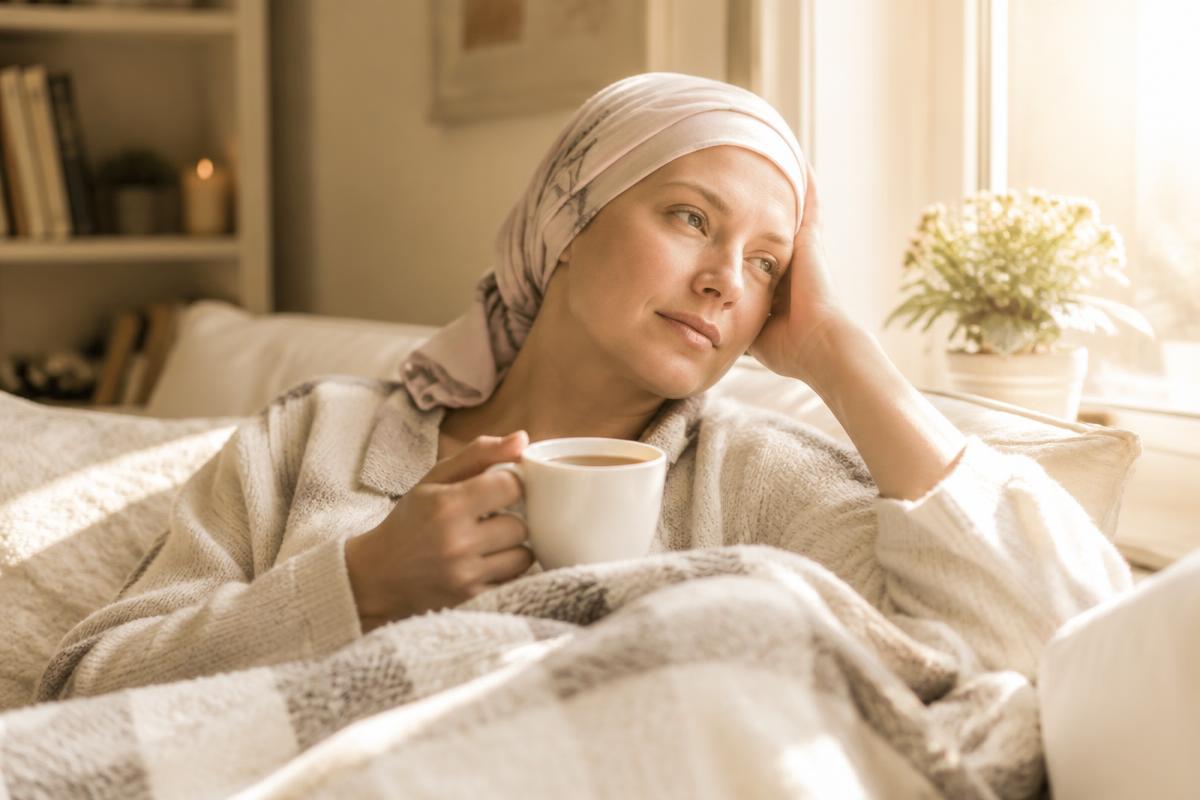
Treatment ended, but the tiredness did not. A practical guide to fatigue, infection risk and immune support after chemotherapy.
Medically reviewed by the Bangkok Stem Cell Center medical team
The last infusion was weeks ago. Everyone expects you to bounce back, yet climbing the stairs feels like a mountain and every cold seems to find you. Fatigue after chemo is one of the most common and least talked-about parts of cancer recovery.
Why fatigue after chemo happens
- Chemotherapy affects fast-growing healthy cells, including blood-forming cells in the bone marrow.
- Low red blood cells (anaemia) mean less oxygen reaches your muscles.
- Poor sleep, pain, low appetite and worry all add to the drain.
- Some medicines and hormone changes play a part.
Why infections feel more frequent
Chemotherapy can lower white blood cells for a time, which weakens your defence against germs. A fever during or soon after treatment can be urgent, so always follow your cancer team's advice on when to call.
What helps first in cancer recovery
- Tell your team: blood tests can find treatable causes like anaemia or thyroid problems.
- Gentle activity, such as short walks, often eases fatigue better than total rest.
- Regular meals with enough protein, and steady fluids.
- Pacing: plan demanding tasks for your best time of day.
- Support for mood and sleep, which are closely linked to energy.
Where immune support and cell therapy may fit
Some survivors ask about immune support beyond these basics, including NK and NKT cell immunotherapy. These approaches are still being studied and are not proven to cure fatigue or prevent cancer returning. They should only be considered after your oncologist has checked your blood counts and agrees the timing is safe. Our page on immune system decline explains the wider picture.
When to seek help quickly
Contact your doctor promptly for fever, breathlessness, chest pain, confusion, or fatigue that suddenly gets much worse. If you are worried about the cancer itself returning, our guide to cancer recurrence may help you prepare questions.
For a review of your recovery plan, explore our Bangkok Stem Cell Center home page or send your medical overview.
Frequently asked questions
Short, plain answers to the questions patients ask most — so you can read with clear expectations, not promises.
How long does fatigue after chemo last?
It varies. Many people improve over months, but some feel tired for longer. Tell your team if it is not easing.
Should I rest as much as possible?
Too much rest can worsen fatigue. Gentle, regular activity often helps, guided by your doctor.
Can supplements boost my immune system?
Some supplements interact with cancer treatment. Ask your oncologist before taking any.
Is cell therapy a cure for post-chemo fatigue?
No. It is studied as immune support, not a proven fatigue treatment.
When can I travel after chemo?
Ask your oncologist. Blood counts and infection risk affect when flying is safe.
Is feeling low normal after treatment?
Yes, many people feel low. Talking support and treatment for mood can improve energy too.
References
Published studies and medical guidelines this article draws on.
- National Cancer Institute. Fatigue and cancer treatment. cancer.gov, 2025
- National Cancer Institute. Infection and neutropenia during cancer treatment. cancer.gov, 2025
- National Cancer Institute. Coping with cancer. cancer.gov, 2025
Reviewed by Bangkok Stem Cell Center Medical Team | Last updated: October 2026
What Are NKT Cells, and Why Are Cancer Doctors Watching Them?
You have heard of NK cells and T cells. NKT cells sit between them, and researchers are curious about what they might add to cancer care.
NK or NKT Cell Therapy in Bangkok: Which Fits Your Cancer Care?
Two clinics, two similar names, one decision. Here is a side-by-side look at NK and NKT cell therapy for patients considering Bangkok.